Quick Answer: A dealer surety bond is a financial guarantee required by the state, typically $25,000–$100,000, that costs $100–$500/year for dealers with good credit. It protects consumers, not you—and you’re required to have one before the state will issue your dealer license.
Starting an auto dealership comes with numerous regulatory requirements, and one of the most confusing for new dealers is the dealer surety bond mandate. Every state requires dealers to secure this financial instrument before issuing a license, yet many aspiring dealers don’t fully understand what it is, why it exists, or how much it will cost them. States implement bonding requirements to protect consumers from fraudulent practices, financial losses, and regulatory violations by dealers. This safeguard ensures that if a dealer violates state laws or harms a consumer, there’s a financial mechanism in place to compensate victims.
What Is a Dealer Surety Bond?
A dealer surety bond is a legally binding three-party agreement that guarantees a dealer will comply with state laws and regulations governing automotive sales. The three parties involved are:
- Principal: The dealer or dealership obtaining the bond
- Obligee: The state licensing agency requiring the bond (typically the Department of Motor Vehicles or similar regulatory body)
- Surety: The bonding company that issues the bond and guarantees payment if valid claims arise
Here’s what many new dealers misunderstand: an auto dealer surety bond protects consumers and the state, not you as the dealer. If someone files a valid claim against your bond—perhaps because you sold a vehicle with a fraudulent title, failed to pay off a lien, or violated consumer protection laws—the surety company will investigate. If the claim is valid, the surety pays the claimant up to the bond amount. However, you are then legally obligated to reimburse the surety company for the full claim amount plus any associated costs.
This makes a surety bond fundamentally different from insurance. It’s essentially a line of credit that ensures you’ll fulfill your legal and financial obligations, with the surety company acting as a guarantor on your behalf.
How Much Does a Dealer Surety Bond Cost?
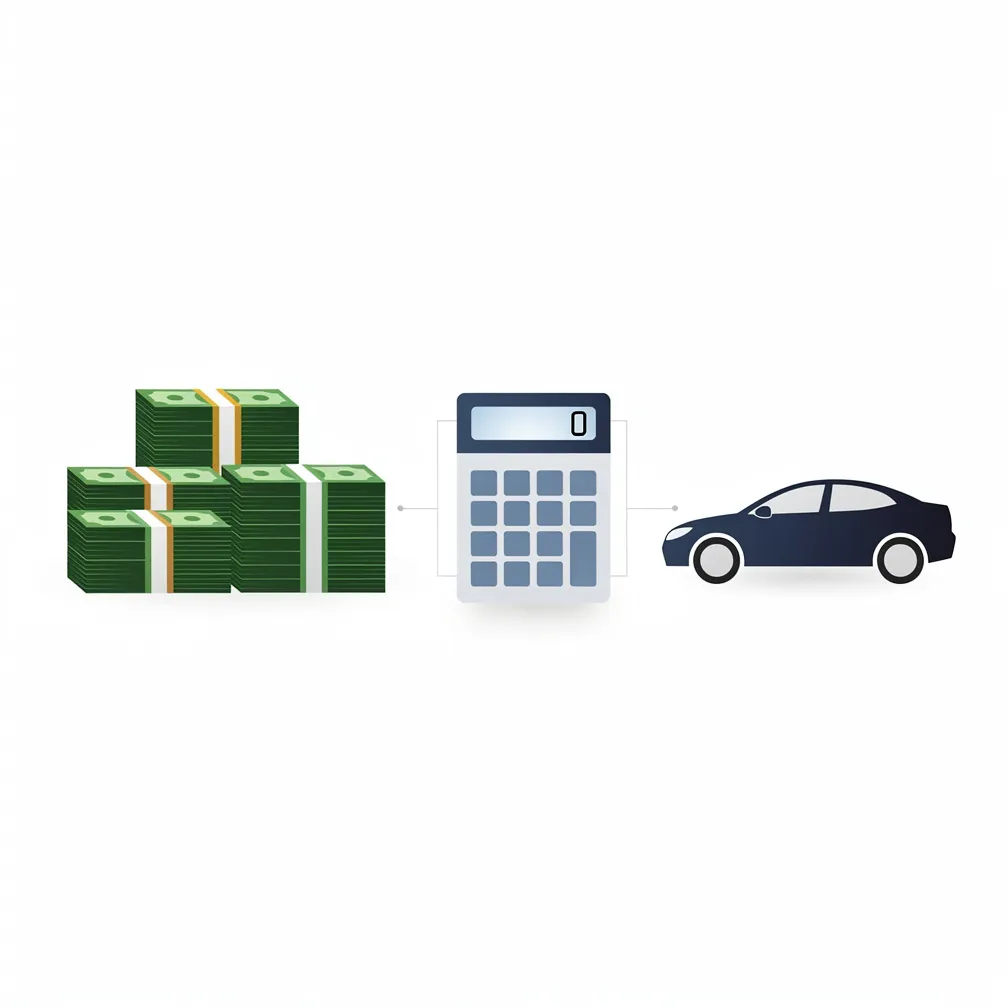
The car dealer bond cost isn’t the full bond amount—it’s a percentage called the premium. Most dealers pay between 1–5% of the required bond amount annually, with your credit score being the primary determining factor.
Here are realistic examples based on common bond amounts:
- A $25,000 bond typically costs $250–$1,250 per year
- A $50,000 bond typically costs $500–$2,500 per year
- A $100,000 bond typically costs $1,000–$5,000 per year
Dealers with excellent credit (scores above 700) usually qualify for the lowest premiums, around 1–2% of the bond amount. Those with good credit (650–699) typically pay 2–4%. If you have poor credit (below 650), expect premiums of 5–15% or higher, and some surety companies may require collateral or deny coverage entirely.
When budgeting for your dealership, remember that this is an annual recurring expense. Your premium renews each year, and your rate may change based on your credit profile and claims history.
Dealer Surety Bond Amounts by State
Bond requirements vary significantly by state. Here’s how much is a dealer bond in major states across the country:
| State |
Required Bond Amount |
| California |
$50,000 |
| Texas |
$25,000 |
| Florida |
$25,000 |
| New York |
$20,000 |
| Ohio |
$25,000 |
| Pennsylvania |
$20,000 |
| Illinois |
$20,000 |
| Georgia |
$35,000 |
| North Carolina |
$50,000 |
| Virginia |
$50,000 |
| Michigan |
$10,000 |
| Arizona |
$25,000 |
| Colorado |
$50,000 |
| Washington |
$30,000 |
| Nevada |
$50,000 |
| Oregon |
$40,000 |
Always verify current requirements with your state’s licensing agency, as bond amounts can change with new legislation.
How to Get a Dealer Surety Bond
Obtaining your dealer surety bond involves five straightforward steps:
- Choose a surety bond provider: Research reputable bonding companies that specialize in dealer bonds. Compare rates from multiple providers, as premiums can vary significantly.
- Complete the application: You’ll need to provide personal and business information, including your Social Security number, business structure, financial statements, and credit authorization. The surety will run a credit check to determine your rate.
- Get approved and pay premium: Once approved, you’ll receive a quote showing your annual premium. Pay this amount to activate your bond. Some companies offer monthly payment plans.
- Receive your bond: The surety company will issue your bond certificate, typically within 24–48 hours of payment. This is a physical or digital document proving you’re bonded.
- File with your state DMV/licensing agency: Submit the original bond certificate to your state’s regulatory agency as part of your dealer license application. Keep a copy for your records.
The entire process typically takes 3–7 business days from application to filing with the state.
What Happens If You Don’t Have a Surety Bond?
Operating without a required surety bond carries serious consequences that can derail your dealership before it starts:
- License denial: Your state will refuse to issue a dealer license without proof of bonding
- License revocation: If your bond lapses or is cancelled after you’re licensed, the state can immediately revoke your dealer license
- Inability to operate legally: Without a valid license, you cannot legally buy or sell vehicles as a dealer, making your entire business operation illegal
- Substantial fines: Operating as an unlicensed dealer can result in civil penalties ranging from $1,000 to $10,000 or more per violation
- Criminal charges: In some states, operating without proper licensing and bonding can result in misdemeanor or felony charges
The bonding requirement isn’t optional or negotiable—it’s a fundamental prerequisite for legal dealer operation in every state.
Dealer Bond vs. Insurance: What’s the Difference?
Many new dealers confuse surety bonds with insurance. Here’s a clear comparison:
| Feature |
Surety Bond |
Insurance |
| Who it protects |
Consumers and the state |
You and your business |
| Who pays claims |
You reimburse the surety |
Insurer pays (no reimbursement) |
| Required by |
State law (mandatory) |
Business choice (often optional) |
| Cost basis |
Personal credit score |
Business risk profile |
| Purpose |
Guarantee compliance with laws |
Cover business losses and liability |
You need both a surety bond and appropriate business insurance (general liability, garage keeper’s liability, etc.) to properly protect your dealership.
How the Co-Op Model Handles Bonding
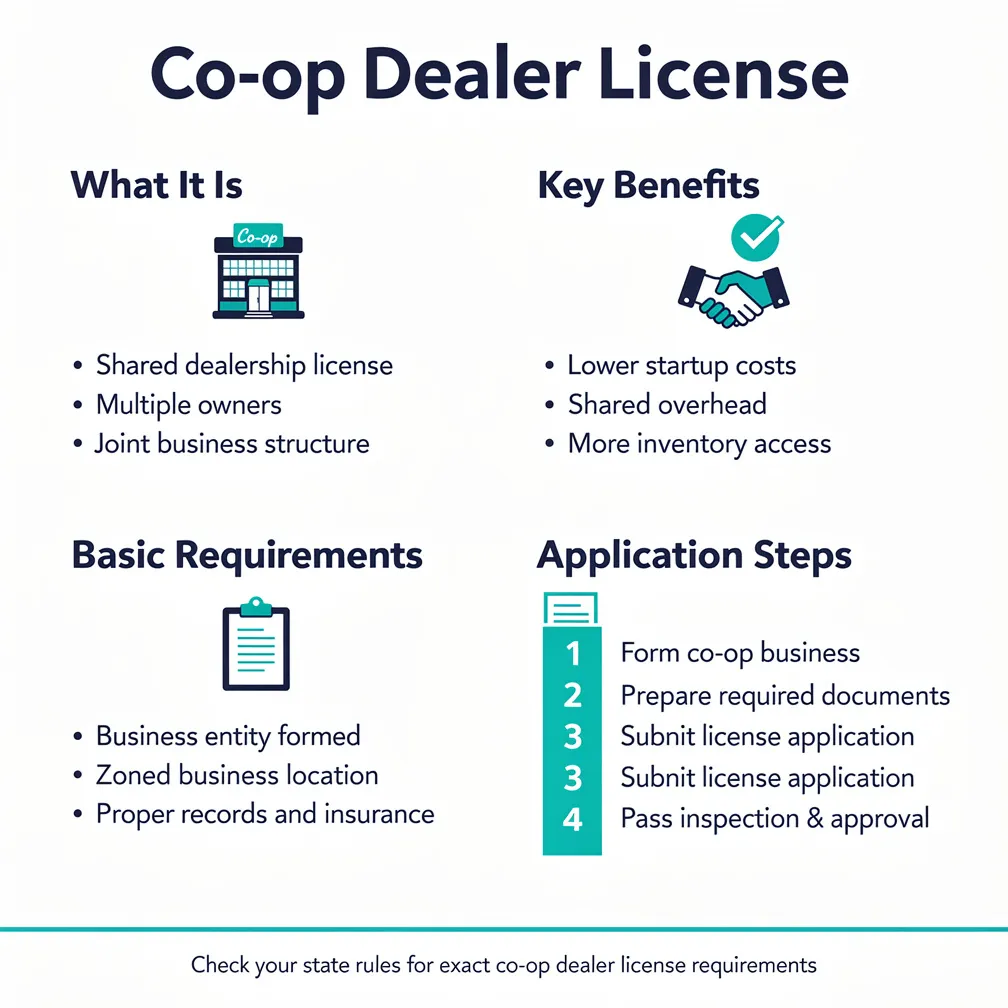
For dealers who want to avoid the hassle and expense of obtaining their own surety bond, My Car Dealer offers an innovative solution through our co-op dealer license program. Instead of applying for individual bonds and paying annual premiums based on your credit score, our members operate under our master dealer license—which includes comprehensive bonding coverage.
For just $375 per month, My Car Dealer members get access to our established dealer license, and the co-op’s master bond covers all members operating under our umbrella. This means no credit checks, no individual bond applications, and no worrying about bond renewals or cancellations. The bonding coverage is included as part of your membership, along with the dealer license itself, dealer plates, and ongoing compliance support.
This approach is particularly beneficial for dealers with poor credit who would otherwise face prohibitively expensive bond premiums, or for new dealers who want to start operations quickly without navigating the complex bonding process. Traditional dealer licensing can be expensive and complicated, but the co-op model streamlines everything into one affordable monthly fee. Learn more about getting started with My Car Dealer and how our bonding coverage works.
Frequently Asked Questions
Can I get a dealer bond with bad credit?
Yes, but it will cost significantly more. Dealers with credit scores below 650 typically pay premiums of 5–15% of the bond amount, and some surety companies may require collateral or co-signers. If your credit is poor, consider the My Car Dealer co-op model, which doesn’t require individual credit checks for bonding.
How long does a dealer bond last?
Most dealer surety bonds have a one-year term and must be renewed annually. You’ll pay the premium each year to keep the bond active. If you fail to renew, your bond will lapse, and your state will likely suspend or revoke your dealer license.
What’s the difference between bond amount and bond cost?
The bond amount is the maximum coverage the surety will pay for valid claims (set by your state, typically $25,000–$100,000). The bond cost is your annual premium, which is a small percentage (1–5%) of the bond amount. For example, a $50,000 bond might only cost you $500–$2,500 per year depending on your credit.
Can my bond be cancelled?
Yes. The surety company can cancel your bond if you fail to pay premiums, have claims filed against you, or if your financial situation changes significantly. Your state will typically be notified, giving you a limited window (usually 30–60 days) to secure a new bond before your dealer license is suspended.
Do I need a bond for wholesale-only dealing?
In most states, yes. Whether you’re selling retail to consumers or wholesale to other dealers, you generally need a valid surety bond as part of your dealer licensing requirements. Some states have different bond amounts for wholesale-only dealers, but the requirement itself still applies.
What happens if a claim is filed against my bond?
The surety company will investigate the claim. If it’s valid, the surety pays the claimant up to the bond amount. You are then responsible for reimbursing the surety company in full, plus any legal or administrative costs. A paid claim can also make it much harder and more expensive to renew your bond or obtain a new one.
Skip the Bonding Hassle — Let My Car Dealer Handle It
A dealer surety bond is a non-negotiable requirement for legal car dealing, but it doesn’t have to be your headache. Between credit checks, annual renewals, premium payments, and the risk of cancellation, managing your own bond adds complexity and cost to an already challenging licensing process.
My Car Dealer’s co-op program eliminates the bonding burden entirely. For $375/month, you get a fully licensed, bonded dealer operation—no lot required, no credit check needed, and approval in 1–3 days. Get started today and focus on what matters: buying and selling cars profitably.