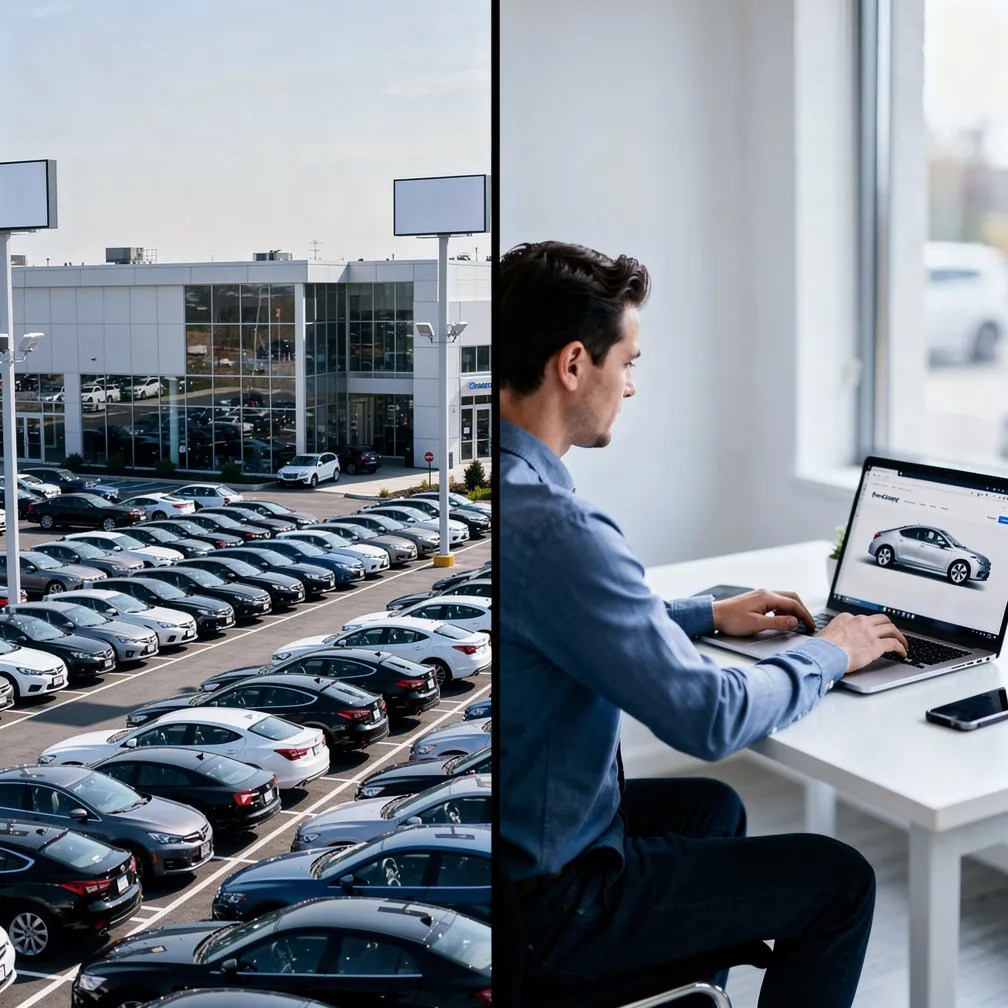
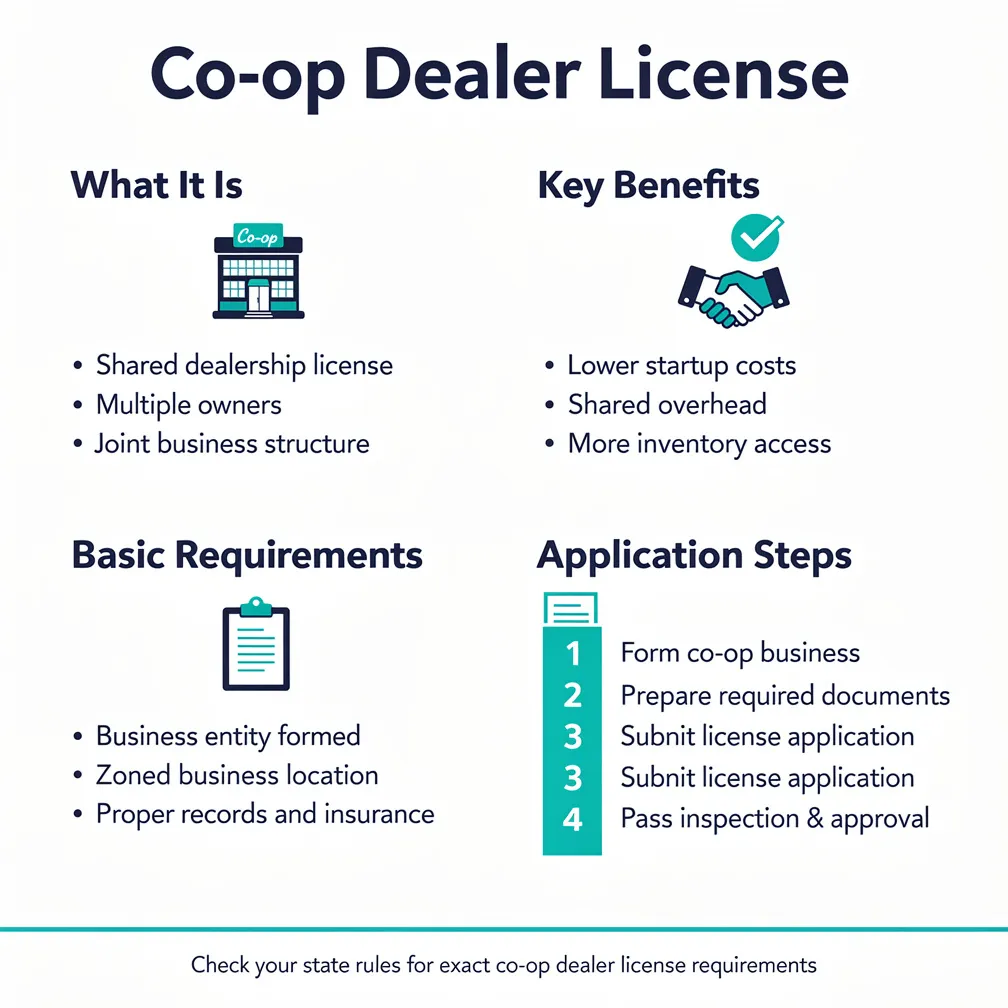
Quick Answer: Yes, you can absolutely start a car dealership from home using a co-op license model. Instead of investing $50,000–$200,000+ in a traditional dealership with a physical lot, you can operate under a shared dealer license for as little as $375/month. This gives you full dealer auction access, legal compliance, and the ability to buy and sell vehicles without zoning requirements or massive overhead costs.
The automotive industry is experiencing a fundamental shift in 2026. The traditional image of car dealerships—sprawling lots with hundreds of vehicles, massive overhead, and six-figure startup costs—is becoming obsolete for many entrepreneurs. If you’ve been researching how to start a car dealership, you’ve likely encountered conflicting information about requirements, costs, and whether it’s even possible to operate from home. The truth is that the co-op license model has democratized access to the automotive dealer industry, making it possible for aspiring entrepreneurs to enter this lucrative market without the traditional barriers to entry.
Whether you’re a side hustler looking to flip cars on weekends, a stay-at-home parent seeking flexible income, or an automotive enthusiast ready to turn your passion into profit, starting a home-based car dealership is more accessible than ever before. This comprehensive guide will walk you through exactly how to launch your dealership from home using the co-op license model.
Can You Really Start a Car Dealership from Home?
The short answer is yes—but it requires understanding how the industry has evolved. Most people assume that starting a car dealership requires a commercial lot, expensive zoning permits, and substantial capital investment. This misconception keeps thousands of potential dealers from ever getting started.
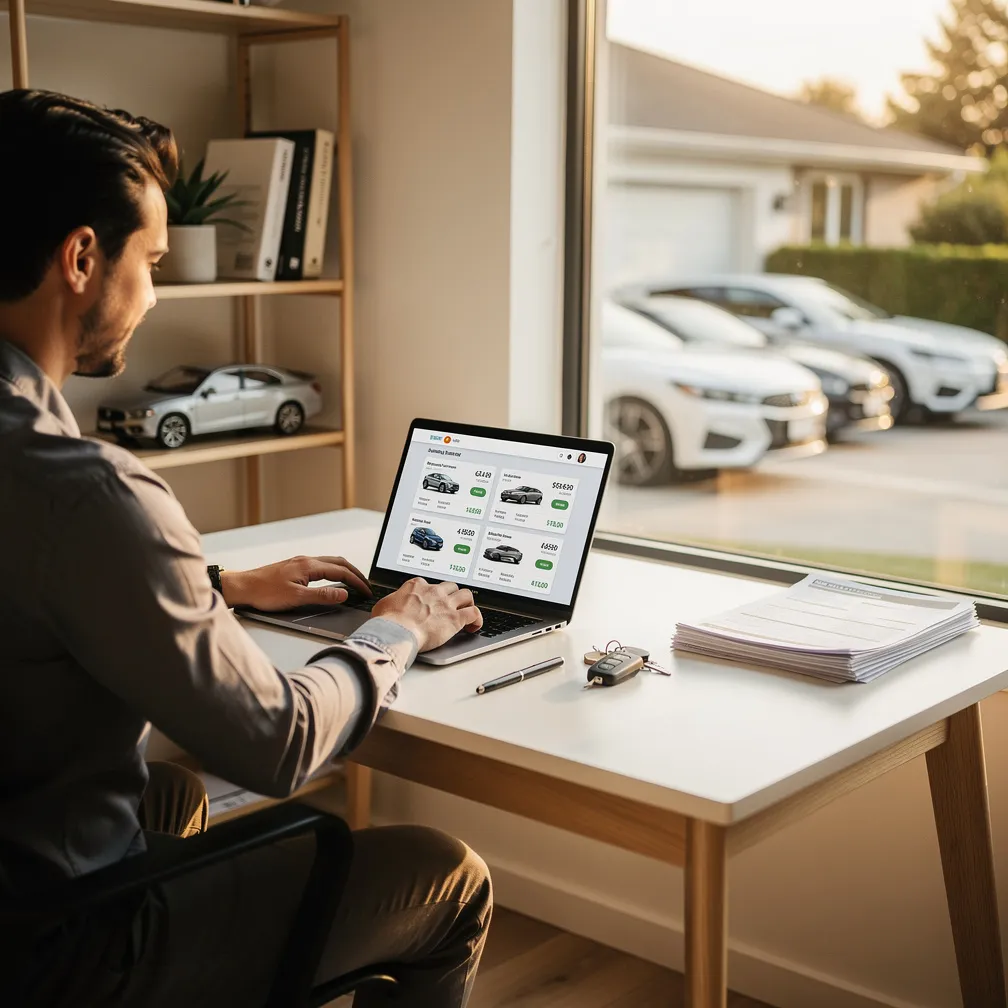
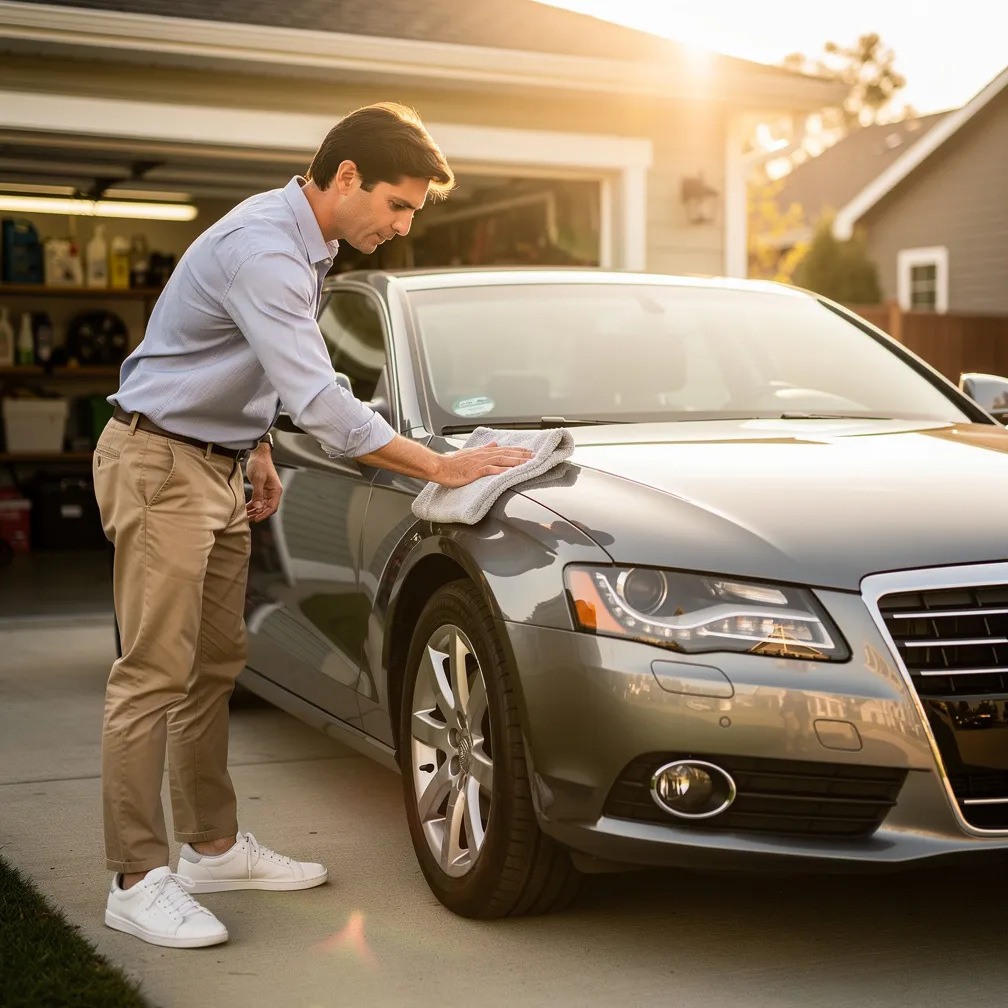
The reality is that modern car dealing has moved beyond the traditional lot model. With online marketplaces, digital advertising, and changing consumer behavior, the physical lot is no longer the necessity it once was. Many successful dealers operate entirely from home, meeting customers at convenient locations, arranging test drives, and handling paperwork remotely.
The co-op license model takes this concept further by allowing you to operate under an established dealer’s license. Think of it like a franchise model, but without the franchise fees and restrictions. You gain all the legal benefits of being a licensed dealer—including access to dealer-only auctions, wholesale pricing, and legal authority to buy and sell vehicles—without needing to establish your own independent dealership infrastructure.
This approach is completely legal and recognized by state DMVs. You’re not operating in a gray area; you’re working under a legitimate dealer license that handles all compliance requirements on your behalf.
The Traditional Way vs. The Co-Op Way
Understanding the difference between traditional dealership startup and the co-op model is crucial for making an informed decision. Here’s a direct comparison:
| Requirement |
Traditional Dealership |
Co-Op Model |
| Startup Costs |
$50,000–$200,000+ |
$375/month |
| Physical Lot |
Required (lease or purchase) |
Not required |
| Zoning Approval |
Required (complex process) |
Handled by co-op |
| Dealer Bond |
$25,000–$100,000 |
Included in monthly fee |
| Insurance |
$3,000–$10,000/year |
Included in monthly fee |
| Setup Timeline |
4–12 weeks |
1–3 days |
| Experience Required |
Often required by states |
None required |
| Dealer Auction Access |
Yes (after full setup) |
Yes (immediate) |
As you can see, the barriers to entry are dramatically different. The traditional model requires significant capital and time investment before you ever sell your first vehicle, while the co-op model lets you start immediately with minimal financial risk.
How to Start a Home-Based Car Dealership (Step-by-Step)
Ready to start a car dealership from home? Follow these eight steps to launch your home-based dealership using the co-op model:
Step 1: Research Your State’s Requirements
While the co-op model simplifies compliance, you should still understand your state’s basic dealer regulations. Some states have specific rules about home-based operations, though most allow it with proper licensing through a co-op structure.
Step 2: Choose a Co-Op License Provider
Not all co-op programs are created equal. Look for providers with established track records, transparent pricing, and comprehensive support. Verify they offer access to major dealer auctions and handle all compliance requirements.
Step 3: Submit Your Application
The application process for a co-op license is straightforward. You’ll provide basic business information, pass a background check, and agree to the program terms. No prior dealership experience is required.
Step 4: Get Approved (1–3 Days)
Unlike traditional licensing that takes 4–12 weeks, co-op approval typically happens in 1–3 days. Once approved, you’re ready to start buying and selling vehicles immediately.
Step 5: Access Dealer Tools and Auction Credentials
Upon approval, you’ll receive credentials to access dealer-only auctions like Manheim and ADESA. This is where the real profit potential lies—you can purchase vehicles at wholesale prices unavailable to the general public.
Step 6: Source Your First Vehicles from Auctions
Attend dealer auctions (in person or online) to source inventory. Start small with 1–2 vehicles to learn the process. Focus on popular models with strong resale demand and manageable price points in the $5,000–$15,000 range.
Step 7: List and Sell Your Vehicles
Market your inventory on Facebook Marketplace, Craigslist, AutoTrader, and other platforms. Professional photos and honest descriptions are essential. Many successful home-based dealers never need a physical lot because online marketing reaches more buyers than a roadside location ever could.
Step 8: Scale Your Business
Once you’ve completed a few deals and understand the process, scale up. Increase your inventory, develop auction relationships, specialize in specific vehicle types, and build a reputation. Many dealers grow from 2–3 cars per month to 10+ within their first year.
How Much Does It Cost to Start a Car Dealership?
Cost is often the biggest concern for aspiring dealers. Let’s break down the realistic numbers for both approaches.
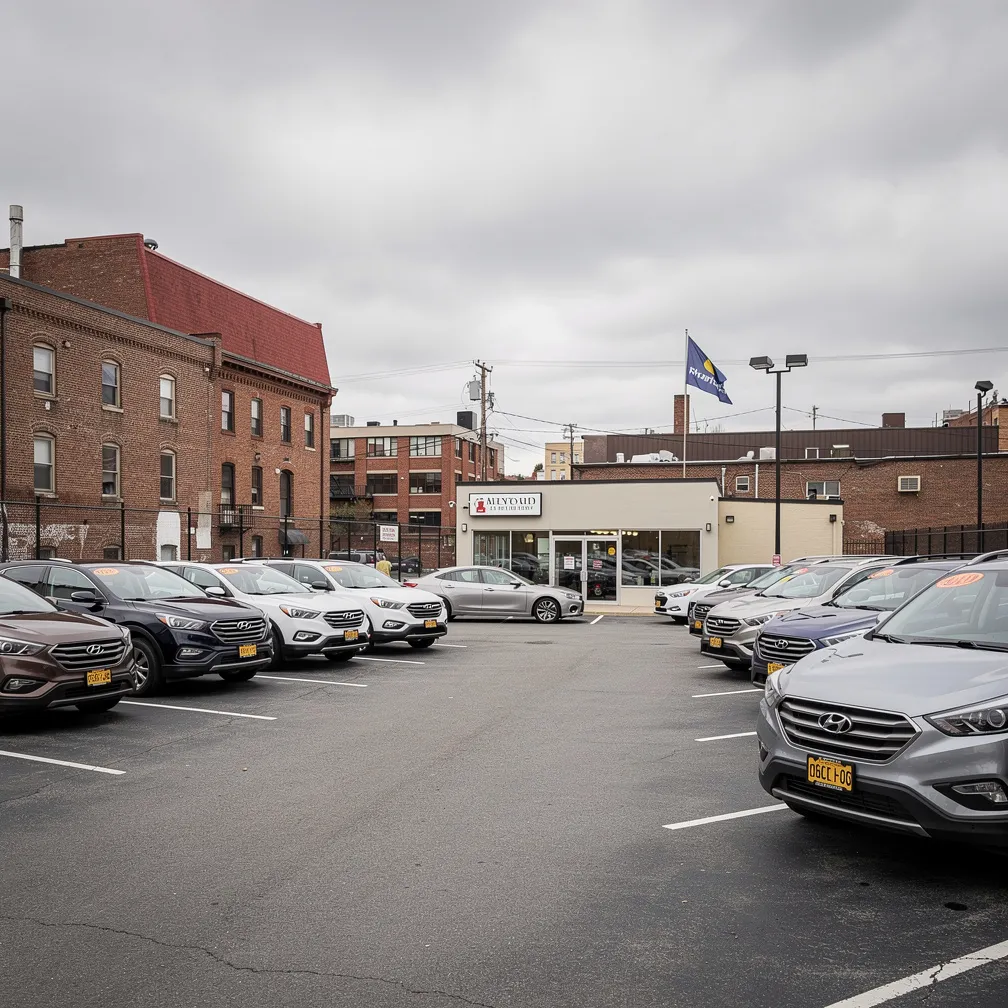
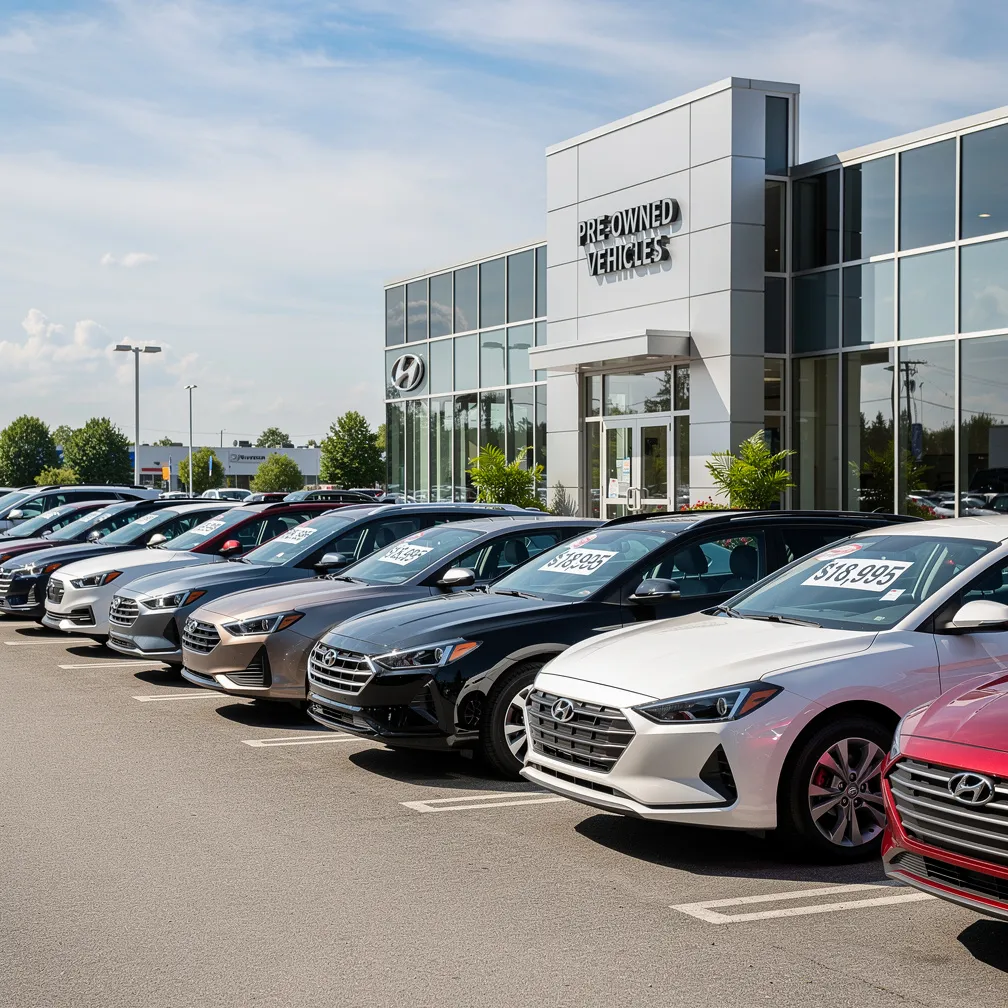
Traditional Dealership Startup Costs:
- Dealer license application and fees: $500–$2,000
- Dealer surety bond: $25,000–$100,000 (varies by state)
- Liability insurance: $3,000–$10,000 annually
- Commercial lot lease: $2,000–$10,000 monthly
- Zoning and permits: $1,000–$5,000
- Signage and lot improvements: $5,000–$20,000
- Initial inventory: $20,000–$100,000+
- Total: $50,000–$200,000+ to get started
These numbers explain why traditional dealerships remain out of reach for most aspiring entrepreneurs. The financial risk is substantial, and you’re committed to ongoing overhead regardless of sales performance. You can read more about these costs at why dealer licenses are so expensive.
Co-Op Model Startup Costs:
- Monthly co-op fee: $375
- Initial inventory (optional): $3,000–$15,000 (can start with just one vehicle)
- Business setup (LLC, bank account): $200–$500
- Total: As little as $575 to start, then $375/month ongoing
The difference is staggering. You can start a dealership with no money down beyond the first month’s fee and a single vehicle purchase. This low barrier to entry means you can test the business model without risking your financial security.
Legal Requirements for Home-Based Dealers
Operating a home-based car dealership legally requires understanding several key compliance areas:
Zoning Considerations: Most residential zoning doesn’t permit commercial car lots, which is why the home-based model works differently. You’re not storing dozens of vehicles on your property or operating a retail location. Instead, you’re running the administrative side of your dealership from home while sourcing and showing vehicles elsewhere.
Dealer Licensing: Every state requires dealer licensing to buy and sell vehicles for profit. The co-op model satisfies this requirement by allowing you to operate under an established dealer’s license. You’re legally authorized to conduct dealer activities without obtaining your own independent license.
Sales Tax Collection: You’re responsible for collecting and remitting sales tax on vehicle sales according to your state’s requirements. Your co-op provider can guide you through this process and provide the necessary documentation.
Title and Registration: Proper title work is essential. When operating under a co-op license, the parent dealership typically handles or assists with title transfers, ensuring everything is done correctly and legally.
Business Structure: While not always required, forming an LLC provides liability protection and professional credibility. This is a separate consideration from your dealer licensing and costs $50–$500 depending on your state.
The key advantage of the co-op model is that the parent dealership handles the complex compliance requirements—they maintain the bond, insurance, and regulatory relationships while you focus on buying and selling vehicles.
How My Car Dealer’s Co-Op Program Works
My Car Dealer has pioneered an accessible approach to dealer licensing through their co-op program. Here’s what’s included:
Shared Dealer License: You operate under My Car Dealer’s established dealer license, which is fully compliant with state regulations. This eliminates the need to navigate the complex licensing process yourself.
No Physical Lot Required: You can operate entirely from home. There’s no requirement to lease commercial space, install signage, or meet lot size requirements. This alone saves thousands of dollars monthly in overhead.
Full Dealer Auction Access: Gain immediate access to major dealer auctions including Manheim, ADESA, and others. This is where dealers find the best wholesale inventory at prices far below retail—often $2,000–$5,000 below market value.
Compliance Handled: The surety bond, dealer insurance, and state regulatory requirements are all covered under the co-op umbrella. You don’t need to worry about renewals, filings, or compliance audits.
Flat Monthly Fee: For $375/month, you get everything—license access, compliance support, auction credentials, and ongoing assistance. No hidden fees, no percentage of sales, no surprises.
No Experience Required: Whether you’ve never sold a car or you’re an automotive enthusiast ready to go full-time, the program is designed for beginners and experienced flippers alike. Training and support help you navigate your first deals confidently.
Unlimited Vehicles: There’s no cap on how many vehicles you can buy and sell each month. Flip one car or twenty—the model scales to your goals and availability.
Success Stories: Home-Based Dealers Making Money
What can you realistically expect when starting a home-based car dealership? Here are typical scenarios based on common outcomes in the co-op model:
The Part-Time Flipper: Many dealers start by flipping 3–5 vehicles monthly while working a full-time job. By focusing on popular sedans and SUVs in the $8,000–$15,000 range, they purchase at auction for $2,000–$3,000 below retail value. After minimal reconditioning, they net $1,500–$2,500 per vehicle. At 4 cars monthly, that’s $6,000–$10,000 in additional monthly income working evenings and weekends.
The Full-Time Home Dealer: Dealers who commit full-time typically scale to 8–15 vehicles monthly within 6–12 months. By developing relationships with specific auction lanes and understanding market trends, they improve their margins over time. Full-time operators commonly generate $8,000–$15,000 in monthly profit after expenses, working entirely from home with no employees.
The Niche Specialist: Some dealers find their edge by specializing in specific vehicle categories—trucks, luxury vehicles, classic cars, or work vans. By becoming an expert in one niche, they command higher margins because they know exactly what to buy and who’s buying. Niche specialists often earn $3,000–$5,000 per vehicle because they understand their market deeply and source inventory others overlook.
Frequently Asked Questions
Do I need a dealer’s license to sell cars from home?
Yes, if you’re buying and selling vehicles for profit, you need to be licensed. Most states limit unlicensed individuals to selling 3–5 personal vehicles per year. The co-op model provides dealer licensing without the traditional hassle and expense of obtaining your own.
How many cars can I sell without a dealer license?
This varies by state, but most states allow 3–5 private-party sales per year before requiring a dealer license. If you plan to flip cars regularly for profit, you need to operate under a dealer license to stay legal.
Can I sell cars from my driveway?
While you can show vehicles at your home, the co-op model doesn’t require you to maintain inventory on your property. Many dealers store vehicles temporarily while selling them within days. You’re running a business from home, not operating a retail car lot.
Do I need a physical lot to be a car dealer?
Not with the co-op model. Traditional independent dealer licenses typically require a commercial lot, but the co-op structure eliminates this requirement entirely. You operate under the co-op’s established infrastructure.
What states allow home-based car dealers?
The co-op model works in most states across the US. Specific regulations vary, but My Car Dealer’s program is structured to comply with state requirements regardless of where you’re located.
How quickly can I start selling cars?
With the co-op model, you can be approved and ready to attend dealer auctions within 1–3 days. Compare that to the 4–12 weeks required for traditional dealer licensing.
Can I start a dealership with no money?
You’ll need the $375 monthly co-op fee and enough capital to purchase at least one vehicle. Some dealers start with as little as $3,000–$5,000 total by purchasing one affordable vehicle, selling it for a profit, and reinvesting the earnings.
Is a co-op dealer license legitimate?
Absolutely. You’re operating under a fully licensed and bonded dealership. The co-op model is a recognized business structure in the automotive industry, similar to how real estate agents operate under a brokerage’s license.
Start Your Home-Based Car Dealership Today
The barriers that once kept aspiring entrepreneurs out of the car business have been eliminated by the co-op license model. You don’t need $200,000 in startup capital, a commercial lot, or years of experience. You need motivation, a willingness to learn, and $375/month to get started.
Every day you wait is another day someone else is buying vehicles at wholesale prices and selling them for profit—from their home office, on their own schedule, with minimal overhead.
Ready to start your home-based car dealership? Get started with My Car Dealer’s co-op program today and be approved to buy and sell vehicles within 1–3 days. No lot. No experience. No problem.