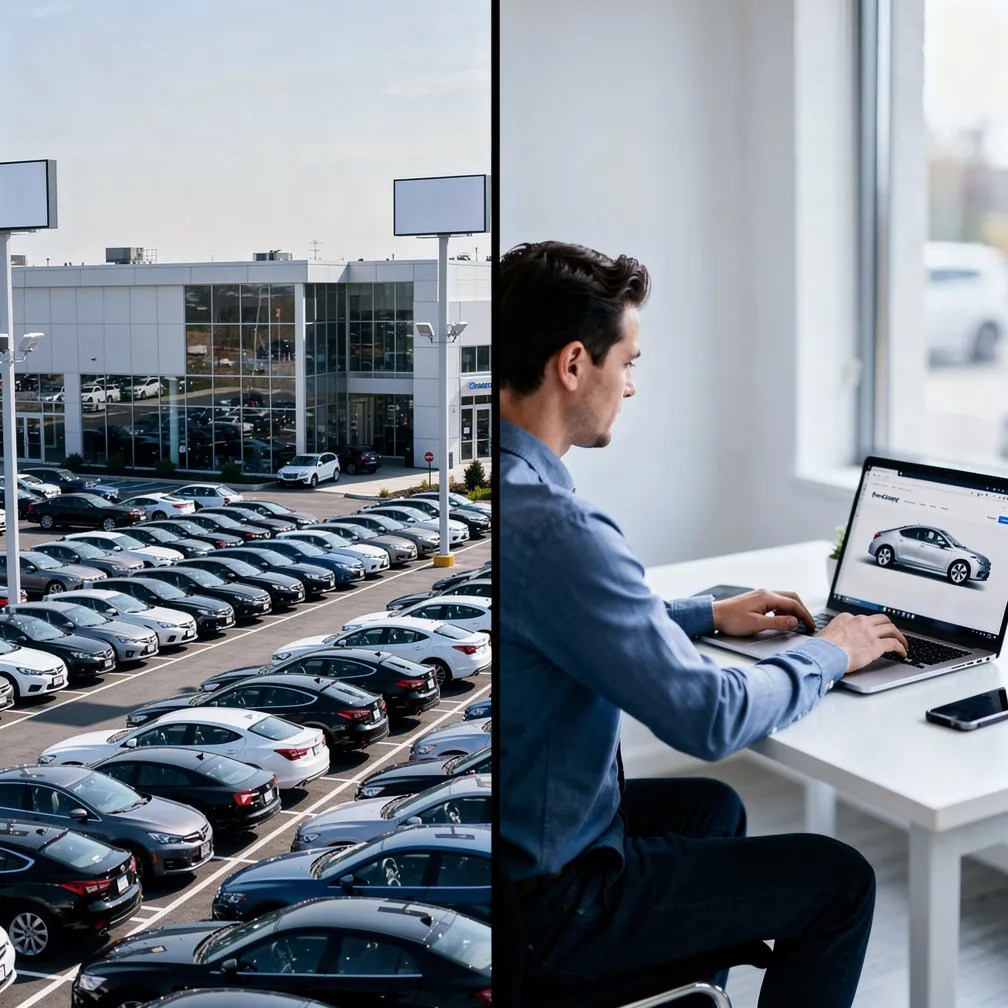
Quick Answer: Yes, you can absolutely flip cars legally for profit! The key is either staying within your state’s title limits (typically 2-5 cars per year) or getting a dealer license. The co-op dealer license model makes it possible for anyone to flip unlimited vehicles legally for just $375/month, with no physical lot required and access to dealer-only auctions where the real profits are made.
Car flipping has exploded as one of the most exciting side hustles of 2026, and for good reason. With the right approach, you can turn vehicles for $1,000 to $5,000 profit per flip while building a legitimate business. But here’s the critical question every aspiring flipper asks: how to flip cars legally without running afoul of state regulations?
The automotive landscape has changed dramatically. Gone are the days when flipping cars meant sketchy parking lot deals and legal gray areas. Today’s successful car flippers operate as legitimate businesses, leveraging dealer licenses and co-op programs to access wholesale inventory and flip unlimited vehicles within the law.
This comprehensive guide will show you exactly how to build a profitable car flipping business in 2026, including the game-changing co-op model that’s revolutionizing how everyday entrepreneurs enter the automotive industry.
Is Car Flipping Legal?
Let’s address the elephant in the room: car flipping is absolutely legal when done correctly. The problem is that most states have strict regulations about how many vehicles you can sell per year without a dealer license.
These limits typically range from 2-5 vehicles annually, depending on your state. Selling beyond this threshold without proper licensing is called “curbstoning,” and it’s illegal in all 50 states. Curbstoning penalties can include fines up to $5,000, potential criminal charges, and civil liability if buyers experience problems with vehicles you sold.
The solution? Either stay within your state’s limits or obtain a dealer license. A traditional dealer license requires a physical lot, significant capital, and extensive paperwork. However, the co-op dealer license model (which we’ll explore in detail) eliminates these barriers entirely, allowing you to flip cars legally without the traditional overhead.
How Much Money Can You Make Flipping Cars?
The profit potential in car flipping is genuinely exciting, but it’s important to set realistic expectations. Your earnings depend on the types of vehicles you flip, your market knowledge, and how efficiently you operate.
Here’s what successful flippers typically earn per vehicle:
- Economy cars (Honda Civics, Toyota Corollas): $1,000-$2,000 profit per flip. These vehicles move quickly and have consistent demand, making them perfect for beginners.
- Trucks and SUVs: $2,000-$4,000 profit per flip. Higher demand and larger margins make these incredibly profitable, especially in rural and suburban markets.
- Specialty and classic vehicles: $5,000+ profit per flip. These require more expertise and longer holding times, but the profit potential is substantial for knowledgeable flippers.
If you flip just two vehicles per month at an average profit of $2,500 each, you’re looking at $60,000 in annual profit. Scale to one vehicle per week, and you’re building a six-figure business. The key is operating legally so you can scale without limits.
How to Flip Cars Legally (Step-by-Step)
Ready to start your car flipping business the right way? Follow this proven six-step process:
1. Get Licensed (Dealer License or Co-Op)
Your first decision is whether to stay within your state’s title limits or get licensed for unlimited flipping. For serious entrepreneurs, a dealer license (particularly through a co-op program) is the only way to scale. Traditional dealer licenses can be prohibitively expensive and complex, which is why many aspiring dealers struggle with the traditional route.
2. Find Inventory (Auctions, Private Sales)
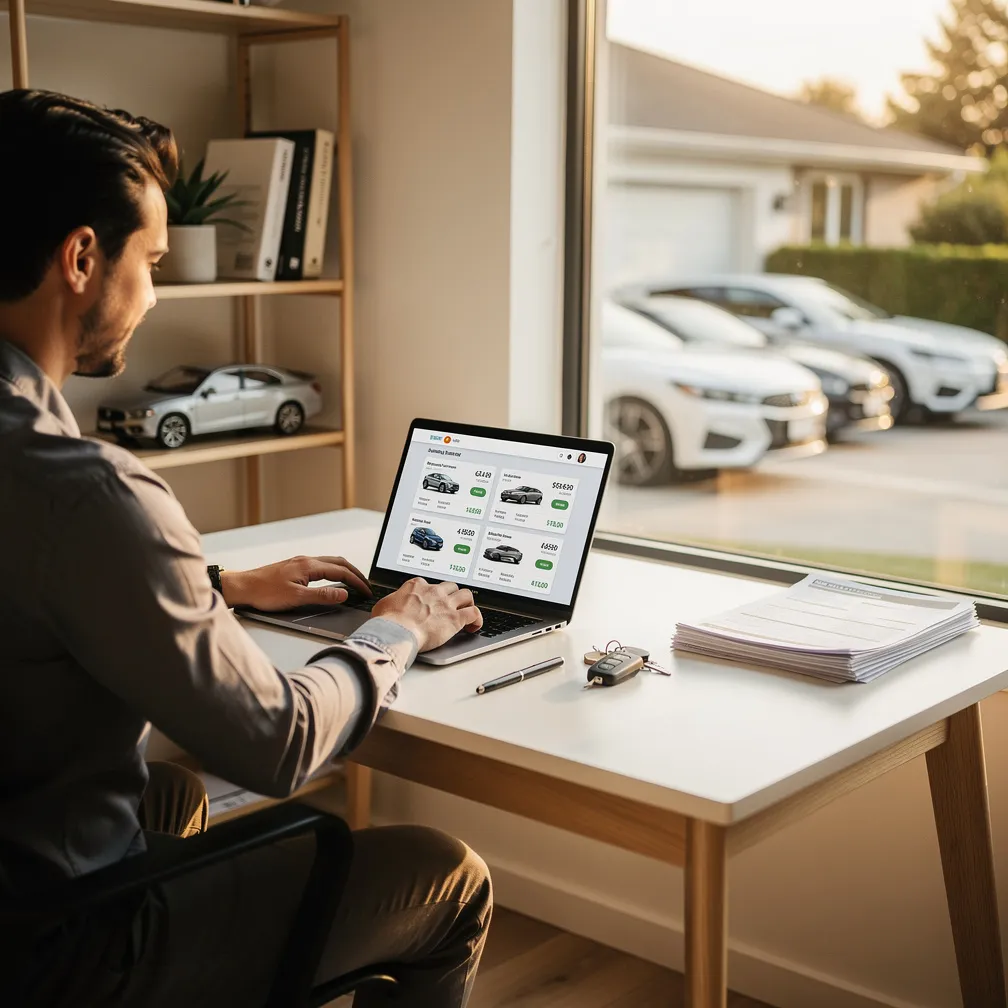
Your profit is made when you buy, not when you sell. Dealer auctions offer the best prices, but you need a license to access them. Private sales through Facebook Marketplace, Craigslist, and estate sales are also viable sources, though margins are typically smaller.
3. Inspect Thoroughly (Mechanical Check, Title Check)
Never skip the inspection. Get a pre-purchase inspection from a trusted mechanic, and always run a vehicle history report. A clean title is non-negotiable. One bad purchase can wipe out profits from three successful flips.
4. Repair and Detail
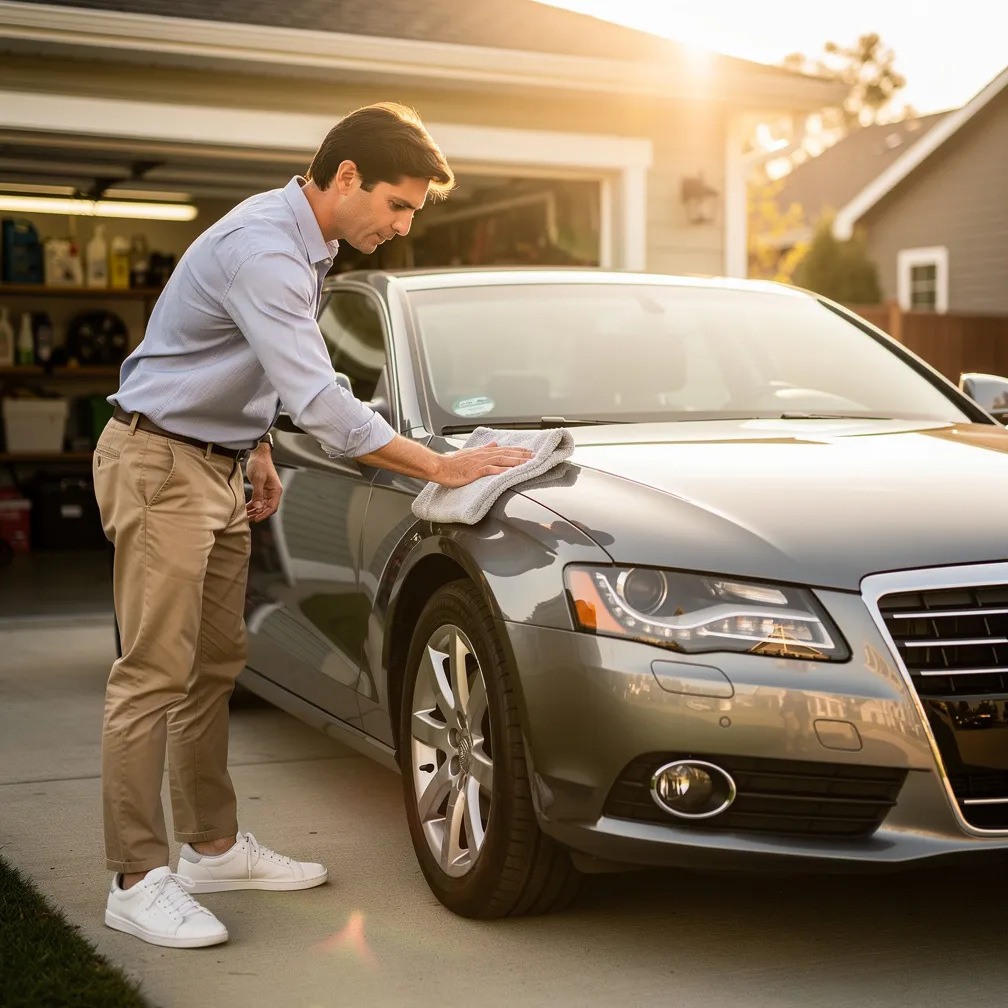
Focus on high-impact, low-cost improvements. A professional detail, minor cosmetic repairs, and basic mechanical fixes provide the best return on investment. Avoid major engine or transmission work unless you’re experienced and getting the parts at cost.
5. Market Effectively (Photos, Listings)
Quality photos and compelling descriptions are your secret weapons. Take photos in natural light, showcase both exterior and interior, and be completely honest about the vehicle’s condition. Great marketing can add $500-$1,000 to your sale price.
6. Sell and Transfer Title Properly
Complete all paperwork correctly, provide buyers with required disclosures, and transfer the title according to your state’s regulations. Proper documentation protects you legally and builds your reputation for future sales.
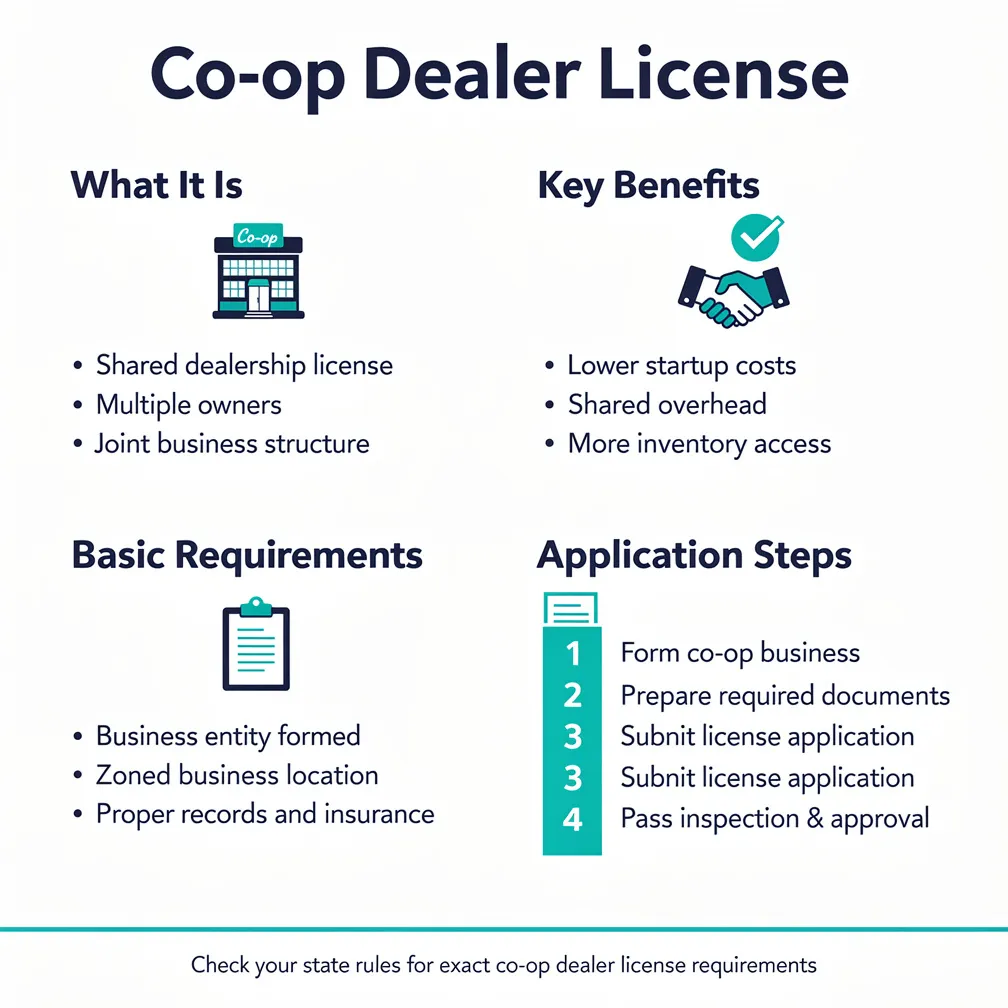
The Co-Op Dealer License: The Car Flipper’s Secret Weapon
Here’s where car flipping gets really exciting. The co-op dealer license model has completely transformed who can enter the automotive business.
Traditional dealer licenses require a physical lot, bonds, insurance, and often $10,000-$50,000 in startup costs. The approval process can take months, and many states have restrictive zoning requirements that make it nearly impossible for side hustlers to qualify.
My Car Dealer’s co-op program changes everything. For just $375/month, you get:
- Legal authority to flip unlimited vehicles in your state
- Access to dealer-only auctions where you’ll find inventory at 20-40% below retail
- No physical lot required—flip from home
- No prior experience necessary
- 1-3 day approval process
- Full compliance support to keep you legal
This model allows you to operate under an established dealer’s umbrella while building your own independent flipping business. You get all the benefits of a dealer license without the prohibitive costs and complexity. It’s the difference between staying stuck at 3-5 flips per year and building a scalable, profitable car flipping business.
Best Cars to Flip for Profit in 2026
Not all vehicles offer equal profit potential. Focus on these proven categories:
Honda and Toyota Sedans
Buy range: $3,000-$7,000. These reliable vehicles practically sell themselves. Civic, Accord, Camry, and Corolla models have consistent demand across all demographics. Expect $2,000+ profit per flip with quick turnover times of 2-4 weeks.
Trucks and SUVs
Buy range: $5,000-$15,000. Pickup trucks (especially Ford F-150, Chevy Silverado, and Toyota Tacoma) and mid-size SUVs command premium prices. These vehicles offer $3,000-$5,000 profit margins and appeal to buyers with stronger purchasing power.
Luxury Vehicles
Buy range: $8,000-$20,000. BMW, Mercedes, Lexus, and Audi vehicles in the 5-10 year old range can yield $3,000-$7,000 profits, but they come with higher risk. Only pursue luxury flips once you understand their specific maintenance issues and target buyer demographics.
Where to Find Cars to Flip
Your inventory sources determine your profit margins. Here are the best places to find vehicles:
Dealer Auctions
This is where licensed dealers find the best deals. Manheim, ADESA, and regional auctions offer vehicles at true wholesale prices. You’ll need a dealer license to access these, but the savings of $2,000-$5,000 per vehicle make it worthwhile.
Private Sales
Facebook Marketplace and Craigslist connect you with motivated sellers. Look for people relocating, downsizing, or dealing with life changes who need quick sales. These sellers often price below market value for convenience.
Estate Sales
Estate sales often include vehicles that have been well-maintained but need to be liquidated quickly. These can be goldmines for finding low-mileage vehicles from elderly owners who maintained them meticulously.
Bank Repossessions
Banks and credit unions sometimes sell repos directly to the public, though dealer auctions are more common. Build relationships with local financial institutions to get early access to these deals.
Common Car Flipping Mistakes That Kill Profits
Avoid these costly errors that trip up new flippers:
1. Flipping Without a License
Exceeding your state’s title limits without proper licensing exposes you to fines up to $5,000, legal action from buyers, and potential criminal charges. It’s simply not worth the risk when affordable licensing options exist.
2. Skipping the Inspection
That $150 pre-purchase inspection can save you from a $3,000 transmission repair. Every single time you buy a vehicle, get it inspected by a mechanic you trust. No exceptions.
3. Over-Investing in Repairs
New flippers often sink too much money into repairs, turning profitable flips into break-even deals. Follow the rule: never invest more than 15% of the vehicle’s after-repair value in repairs and improvements.
4. Bad Photos and Marketing
Blurry photos taken at night in your cluttered driveway cost you money. Invest 30 minutes in quality photos with good lighting, clean backgrounds, and multiple angles. This alone can increase your sale price by $500-$1,000.
5. Not Knowing Your Market
What sells quickly in rural Texas doesn’t move in urban California. Study your local market, understand what buyers want, and focus on vehicles with proven demand in your area.
Frequently Asked Questions About Car Flipping
How many cars can I flip without a license?
This varies by state, but most allow 2-5 vehicles per year without a dealer license. Check your specific state’s regulations, as penalties for exceeding this limit are severe.
Is car flipping taxable?
Yes, profits from car flipping are taxable income. Keep detailed records of all purchases, expenses, and sales. Consult with a tax professional about deductions for legitimate business expenses.
How much money do I need to start flipping cars?
You can start with $3,000-$5,000 for your first vehicle purchase, plus $500-$1,000 for repairs, detailing, and marketing. A co-op dealer license adds $375/month but unlocks access to much better inventory.
Can I flip cars as a side hustle?
Absolutely! Many successful flippers start part-time, flipping 1-2 vehicles per month while maintaining full-time jobs. The co-op model is specifically designed for side hustlers who don’t want the overhead of a traditional dealership.
Do I need a dealer license to flip cars?
Not if you stay within your state’s limits, but a license is essential for scaling beyond a few vehicles per year. The co-op dealer license provides the most cost-effective path to unlimited legal flipping.
How long does it take to flip a car?
From purchase to sale, expect 2-6 weeks depending on the vehicle and market conditions. Popular models like Honda Civics and Toyota Camrys often sell within days of listing, while specialty vehicles may take longer.
Start Your Car Flipping Business Today
Car flipping offers an incredible opportunity to build a profitable business with relatively low startup costs and unlimited scaling potential. The key is doing it legally and strategically from day one.
The co-op dealer license model removes the traditional barriers that kept everyday entrepreneurs out of the automotive business. No lot required, no massive upfront investment, and no months-long approval process. Just legal authority to flip unlimited vehicles and access to the wholesale auctions where real profits are made.
Ready to start your car flipping journey the right way? Get started with My Car Dealer’s co-op license program and join thousands of successful flippers who are building profitable automotive businesses in 2026. Your first $5,000 flip is waiting at the next dealer auction.