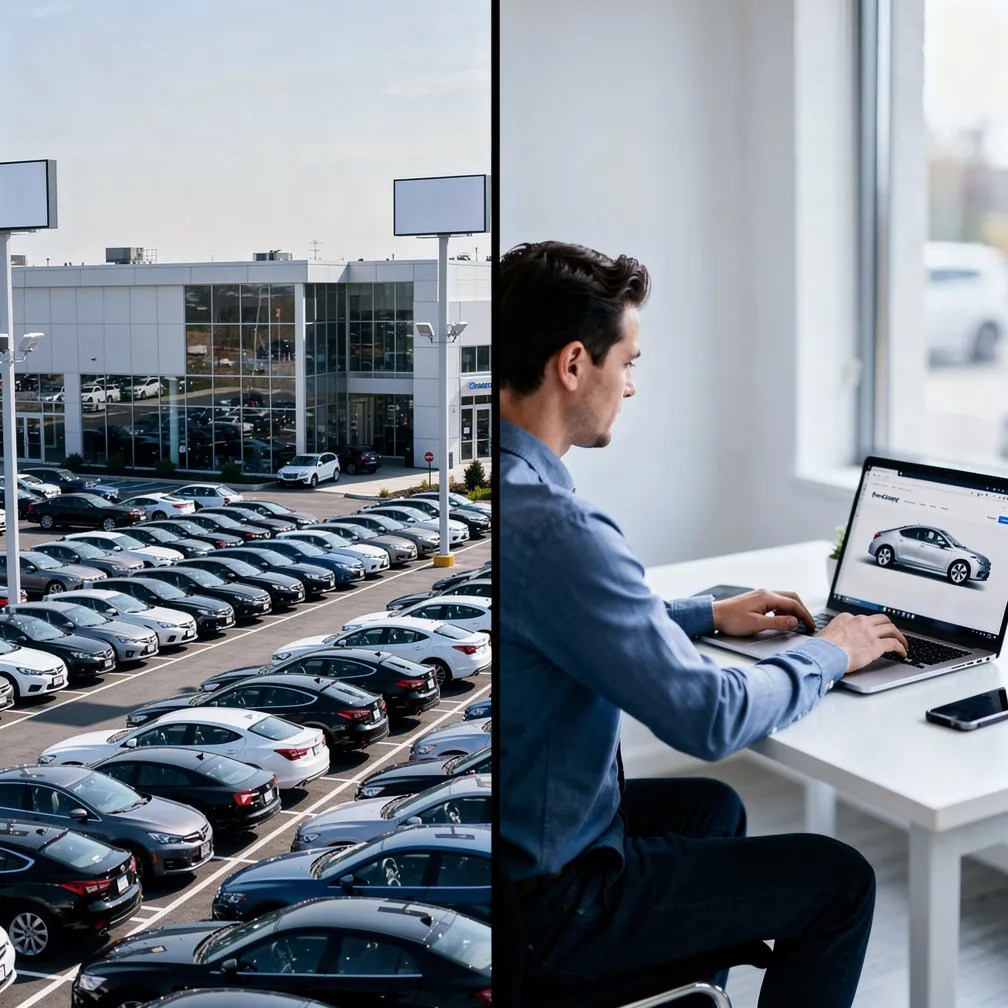
Quick Answer: A co-op dealer license program lets you operate as a licensed dealer by sharing a lot and overhead with other dealers — typically costing under $200/month with no real estate required. An independent dealer license gives you full autonomy but requires your own lot, office space, zoning approval, and significantly higher startup costs. For most beginners, the co-op model offers faster, cheaper access to dealer auctions and legal car selling.
Two Paths to Becoming a Licensed Dealer
If you want to buy and sell cars legally, you need a dealer license. But here’s what most people don’t realize: a co-op dealer license program offers a completely different entry point than the traditional independent route.
Whether you’re flipping cars on the side or building a full-time business, choosing between a co-op vs independent dealer license is one of the most important decisions you’ll make. The wrong choice can cost you thousands of dollars and months of wasted effort.
This guide breaks down both options objectively — the costs, requirements, pros, cons, and who each model is best suited for. By the end, you’ll know exactly which path fits your situation.
What Is an Independent Dealer License?
An independent dealer license is the traditional path to becoming a car dealer. You apply directly to your state’s motor vehicle department and meet every requirement on your own.
Here’s what that typically involves:
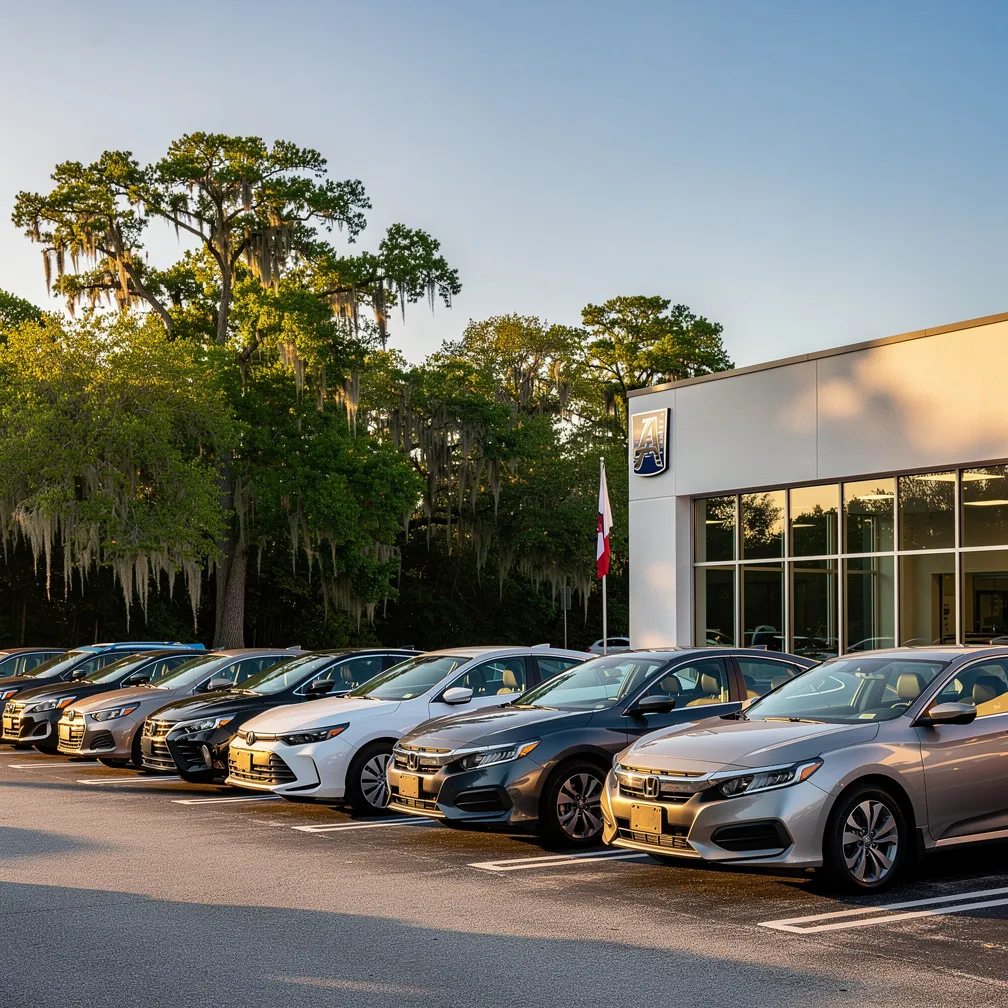
- Physical lot — You need a dedicated car lot that meets state requirements (size, surface, signage, display capacity)
- Office space — A permanent office at the lot location with a landline phone, desk, and filing system
- Zoning approval — Your location must be zoned for auto sales, which rules out most residential and many commercial areas
- Surety bond — Typically $25,000–$50,000 depending on your state
- State inspection — An inspector visits your lot to verify compliance before issuing the license
- Business entity — LLC or corporation formation, EIN, sales tax permit
- Insurance — Garage liability and lot insurance, often $2,000–$5,000/year
The independent model gives you complete control over your dealership brand, inventory display, and operations. But that control comes with significant financial commitment and administrative burden.
Typical startup cost: $10,000–$50,000+ depending on your state and lot lease rates.
Timeline to launch: 2–6 months (finding a lot, passing inspection, waiting for state approval).
What Is a Co-Op Dealer License?
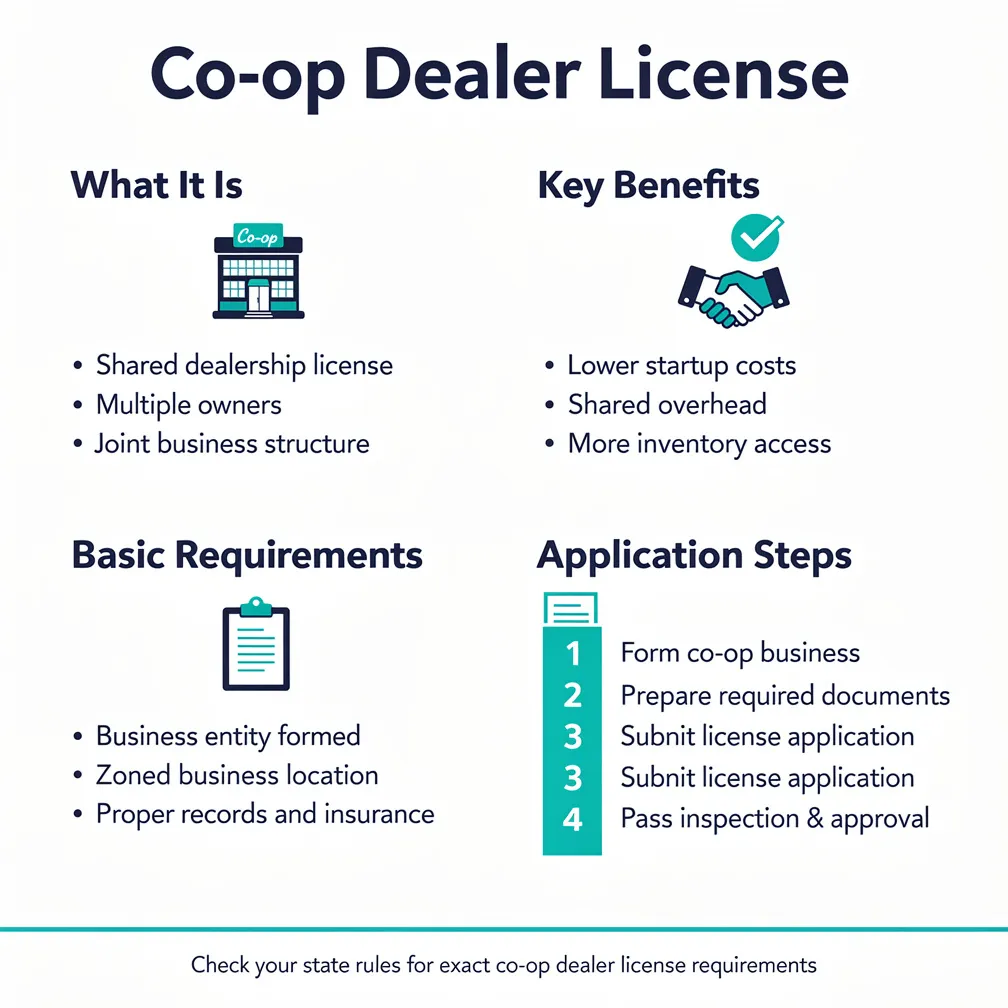
A cooperative dealer license (co-op) works differently. Instead of meeting every requirement solo, you operate under a shared arrangement where multiple licensed dealers share a compliant lot and facility.
Here’s how it works:
- Shared lot — The co-op maintains a state-compliant lot that satisfies your licensing requirement
- Your own dealer number — You get your own individual dealer license and can buy/sell vehicles in your name
- Auction access — Your license grants full access to dealer-only auctions (Manheim, ADESA, Copart, IAA)
- Lower overhead — No personal lot lease, no office build-out, no zoning headaches
- Faster startup — Most co-op programs can get you licensed in days or weeks, not months
- Compliance handled — The co-op manages lot compliance, inspections, and renewals
With a co-op dealer license, you focus on finding, buying, and selling vehicles — not managing real estate and regulatory paperwork.
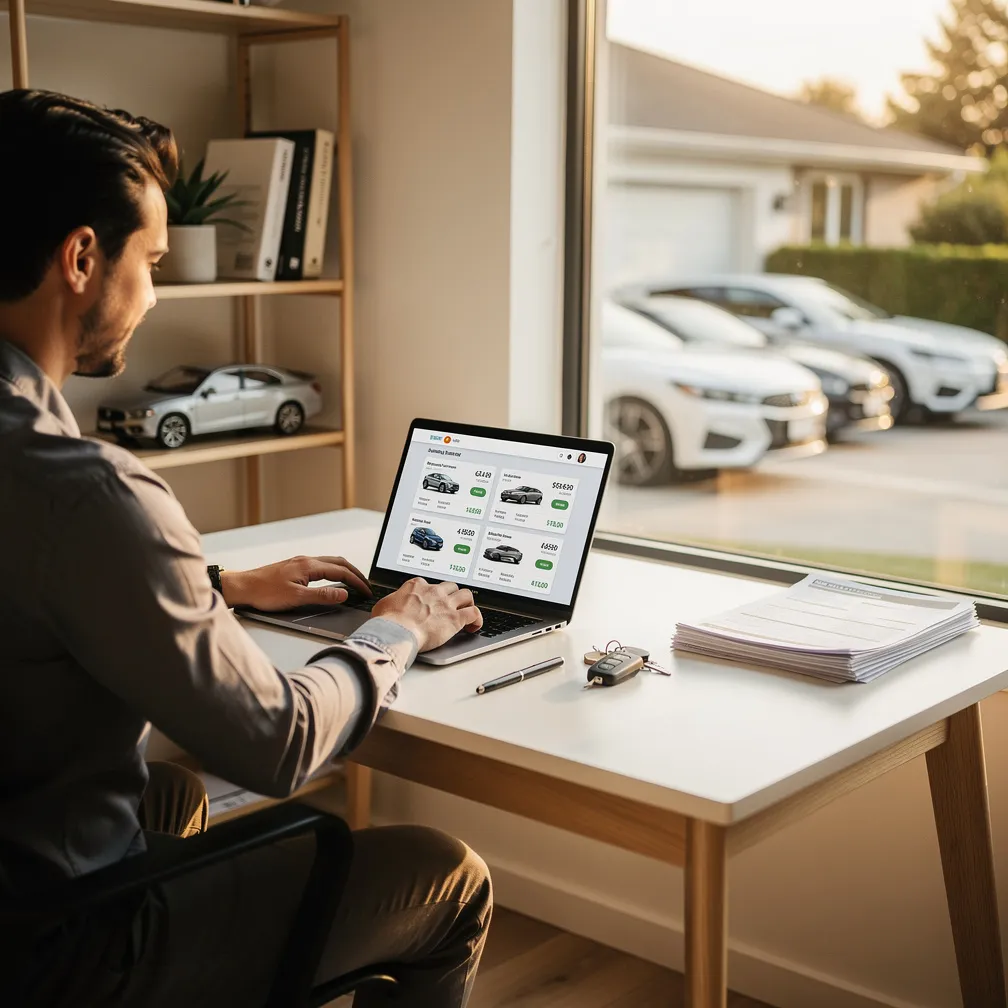
You can sell cars from your home, meet buyers anywhere, and operate with minimal fixed costs. Learn more about how co-op dealer licenses work in Texas.
Typical startup cost: $500–$2,000 (program fee + state licensing fees).
Timeline to launch: 1–3 weeks in most states.
Co-Op vs. Independent: Side-by-Side Comparison
Here’s a detailed breakdown of how the two models compare across every factor that matters:
| Factor |
Co-Op Dealer License |
Independent Dealer License |
| Startup Cost |
$500–$2,000 |
$10,000–$50,000+ |
| Monthly Cost |
$100–$200/month |
$2,000–$10,000+/month (lot lease, insurance, utilities) |
| Lot Requirement |
Shared (provided by co-op) |
Your own (lease or purchase required) |
| Time to Start |
1–3 weeks |
2–6 months |
| Auction Access |
Full access (Manheim, ADESA, Copart, IAA) |
Full access (same auctions) |
| Flexibility |
High — sell from anywhere, no fixed location needed |
Low — tied to your physical lot location |
| Scalability |
Moderate — can scale volume without adding overhead |
High — unlimited inventory display and branding |
| Risk Level |
Low — minimal financial commitment |
High — significant upfront and ongoing investment |
| Brand Control |
Limited — you operate under co-op structure |
Full — your brand, your lot, your identity |
| Best For |
Beginners, side hustlers, low-risk entry |
Experienced dealers, high-volume operations |
The key takeaway: both options give you the same auction access and legal ability to buy and sell cars. The difference is in cost, speed, and overhead.
Who Should Choose a Co-Op License?
A co-op dealer license program is the right choice if you fit any of these profiles:
The Side Hustler — You have a full-time job but want to flip 3–10 cars per month on evenings and weekends. You don’t need a physical lot; you need auction access and a legal way to sell.
The Beginner Testing the Waters — You’re not sure if the car business is right for you long-term. A co-op lets you test the model without risking $20,000+ on a lot lease you might not need in six months.
The Auction Buyer — Your primary goal is accessing dealer-only auctions to buy vehicles at wholesale prices. Whether you resell locally, export, or rebuild — the co-op gives you your dealer number at a fraction of the cost.
The Budget-Conscious Entrepreneur — You want to keep your capital for buying inventory, not paying rent on an empty lot. Every dollar saved on overhead is a dollar you can invest in your next flip.
The Remote Seller — You sell online, through Facebook Marketplace, or via word-of-mouth. You meet buyers at their location or a neutral spot. A physical lot would sit empty 90% of the time.
Who Should Choose an Independent License?
An independent dealer license makes sense in these scenarios:
The High-Volume Dealer — You’re moving 30+ cars per month and need a physical location to display inventory, handle test drives, and process paperwork on-site.
The Brand Builder — You want your own dealership name, signage, online presence, and customer-facing showroom. You’re building a long-term brand, not just flipping units.
The Capitalized Investor — You have $50,000+ to invest upfront and understand that the higher overhead comes with higher potential volume and customer trust.
The Franchise Aspirant — You plan to grow into franchise territory or specialize in a niche (luxury, classics, imports) where a dedicated facility adds perceived value.
If you already have access to affordable commercial real estate in a properly zoned area, going independent from the start can make sense. But for most people, that’s not where they’re starting.
How to Switch from Co-Op to Independent Later
Here’s what many people miss: choosing a co-op doesn’t lock you in forever. It’s a stepping stone, not a ceiling.
The smart growth path looks like this:
- Start with a co-op — Get licensed fast, access auctions, start buying and selling vehicles immediately
- Build your capital — Reinvest profits from your first 6–12 months of flipping
- Learn the business — Understand which vehicles sell, which auctions work best, what your buyers want
- Evaluate your volume — Once you’re consistently moving 15–20+ cars per month, the math may favor your own lot
- Transition to independent — Use your established cash flow and experience to secure a lot, pass inspection, and operate solo
Many successful independent dealers started with a cooperative dealer license to minimize risk while learning the business. The experience you gain — buying at auction, handling titles, managing buyers — translates directly when you scale up.
There’s no penalty for starting small. The penalty is starting with too much overhead before you have the revenue to support it.
Frequently Asked Questions
Is a co-op dealer license legitimate?
Yes. A co-op dealer license is a fully legal state-issued dealer license. You receive your own dealer number, can register on auction platforms, and conduct legal vehicle sales. The co-op structure simply satisfies the lot requirement through a shared facility.
Can I access the same auctions with a co-op license as an independent license?
Absolutely. Your dealer number grants the same access regardless of whether you operate independently or through a co-op. Manheim, ADESA, Copart, IAA, and other major auction houses don’t distinguish between the two.
How many cars can I sell with a co-op dealer license?
There’s no universal cap imposed by the co-op structure. Your state may have reporting thresholds or volume tiers, but the co-op itself doesn’t typically limit your sales volume. Many co-op dealers sell 10–20+ vehicles per month.
Do I need my own lot with a co-op license?
No. That’s the primary advantage. The co-op provides the compliant lot that satisfies your state’s physical location requirement. You can operate from home, a storage unit, or wherever your business takes you.
Can I build my own brand with a co-op license?
You can build a brand in terms of your online presence, reputation, and customer relationships. However, you won’t have a physical storefront with your name on it. For many modern dealers who sell online, this isn’t a limitation — it’s by design.
What happens if the co-op closes?
Reputable co-op programs maintain long-term operations and give members notice if anything changes. If a transition is needed, you’d have time to find another co-op or apply for your own independent license. Always work with an established program that has a track record.
Ready to Get Started?
If you’re weighing your options and leaning toward the co-op dealer license route, My Car Dealer offers one of the most established co-op programs available. You get your own dealer license, full auction access, and ongoing compliance support — without the massive overhead of going independent.
Most of our members are licensed and buying at auction within weeks, not months.
Get started with My Car Dealer’s co-op dealer license program →
Whether you stay with the co-op long-term or use it as a launchpad to your own independent lot, you’ll be buying and selling cars legally — and profitably — from day one.