Quick Answer: Core Requirements for a Used Car Dealer License
- Age and Background Check: Must be 18-21+ years old (varies by state) with clean criminal record
- Business Entity and EIN: Registered LLC, Corporation, or Sole Proprietorship with federal tax ID
- Physical Location: Commercial property meeting zoning requirements OR co-op dealer arrangement
- Surety Bond: $10,000-$100,000 bond depending on your state
- Dealer Training Course: Pre-license education (required in most states)
The used car market continues to present exceptional opportunities for entrepreneurs in 2026. With vehicle prices stabilizing and consumer demand remaining strong, now is an ideal time to enter the automotive retail space. However, before you can start selling vehicles professionally, you must navigate the used car dealer license requirements in your state. Understanding exactly what you need—from surety bonds to physical locations—can mean the difference between a smooth licensing process and costly delays.
This comprehensive guide breaks down everything you need to know about obtaining your dealer license, including universal requirements, state-specific variations, and cost-effective strategies to meet location requirements without breaking the bank.
Used Car Dealer License Requirements (Universal)
While specific details vary by state, certain requirements for used car dealer licenses remain consistent across the United States. Understanding these foundational requirements helps you prepare regardless of where you plan to operate.
Age Requirements: Most states require applicants to be at least 18 years old, though some jurisdictions set the minimum age at 21. You must be legally able to enter into contracts in your state.
Background Check: Every state conducts criminal background checks on dealer license applicants. Felony convictions, particularly those involving fraud, theft, or financial crimes, typically disqualify applicants. Some states also review your driving record and credit history.
Pre-License Training and Education: The majority of states mandate completion of a dealer education course before licensing. These courses cover consumer protection laws, title and registration procedures, and ethical business practices. Course length ranges from 6 to 40 hours depending on the state.
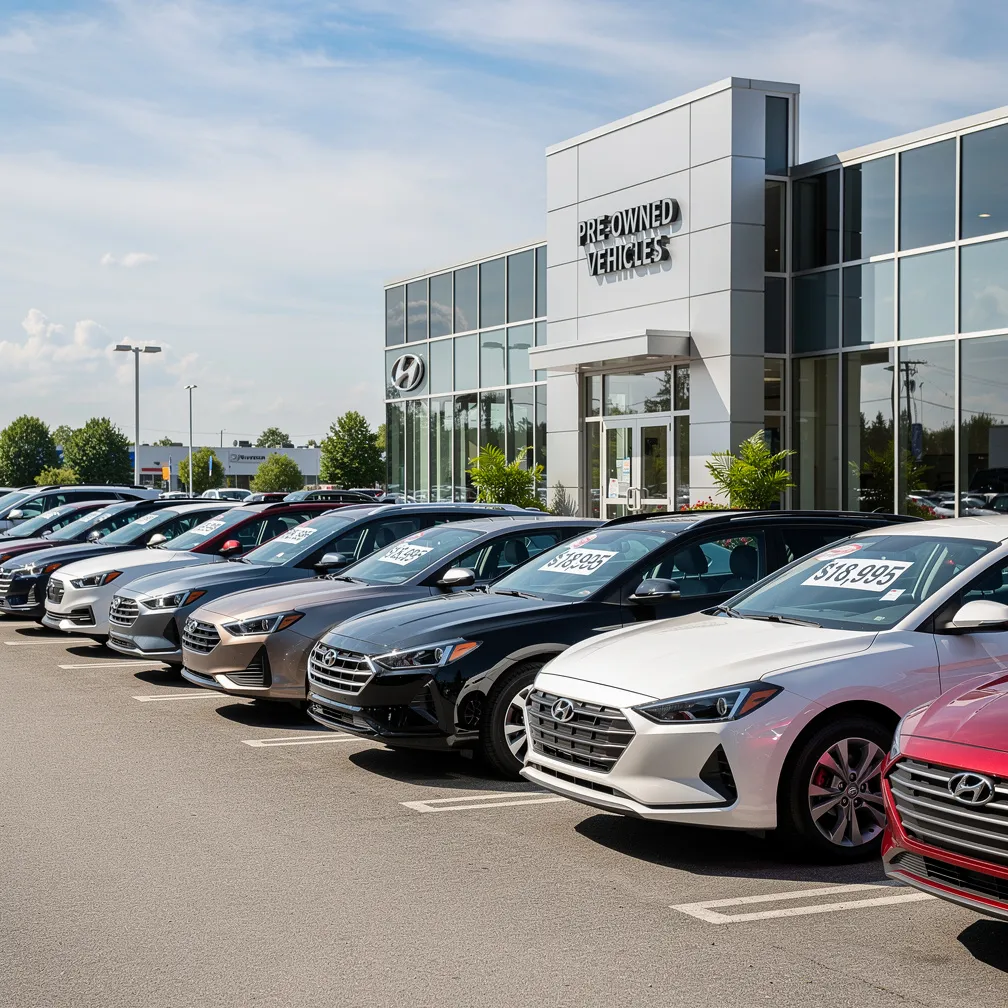
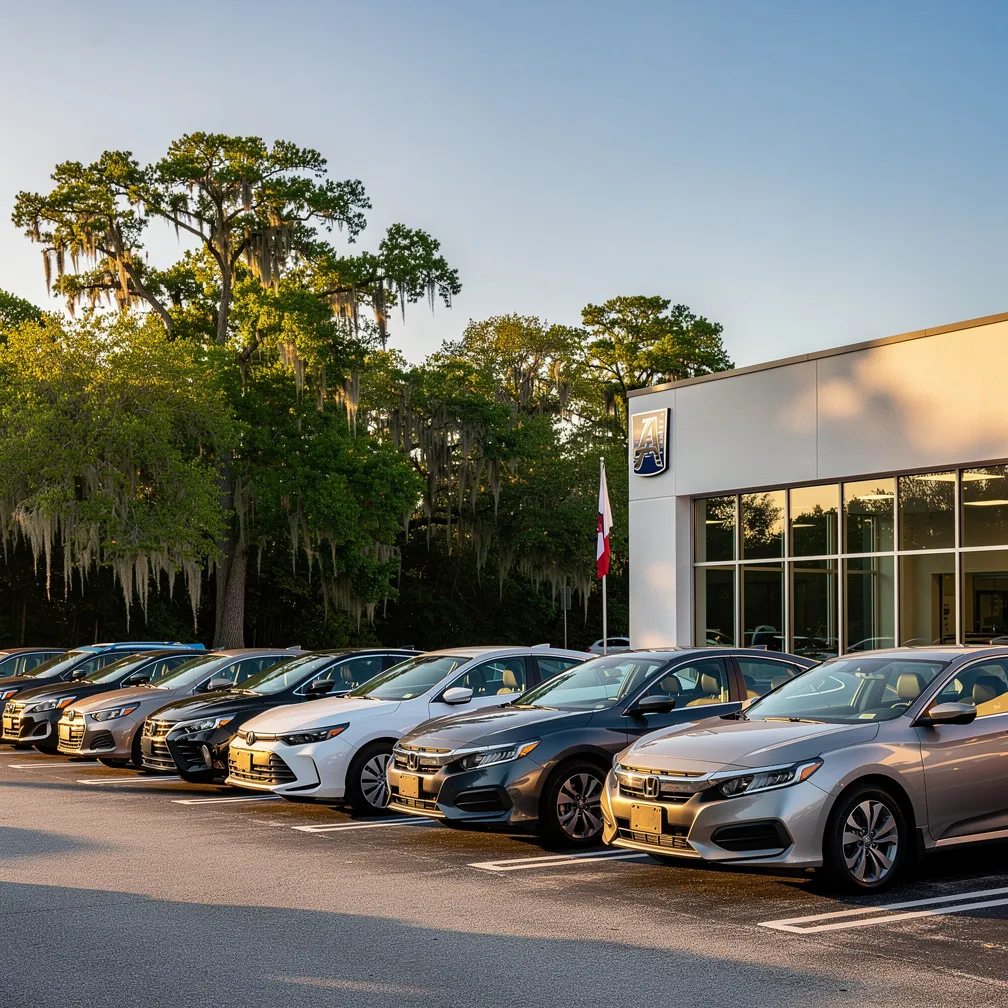
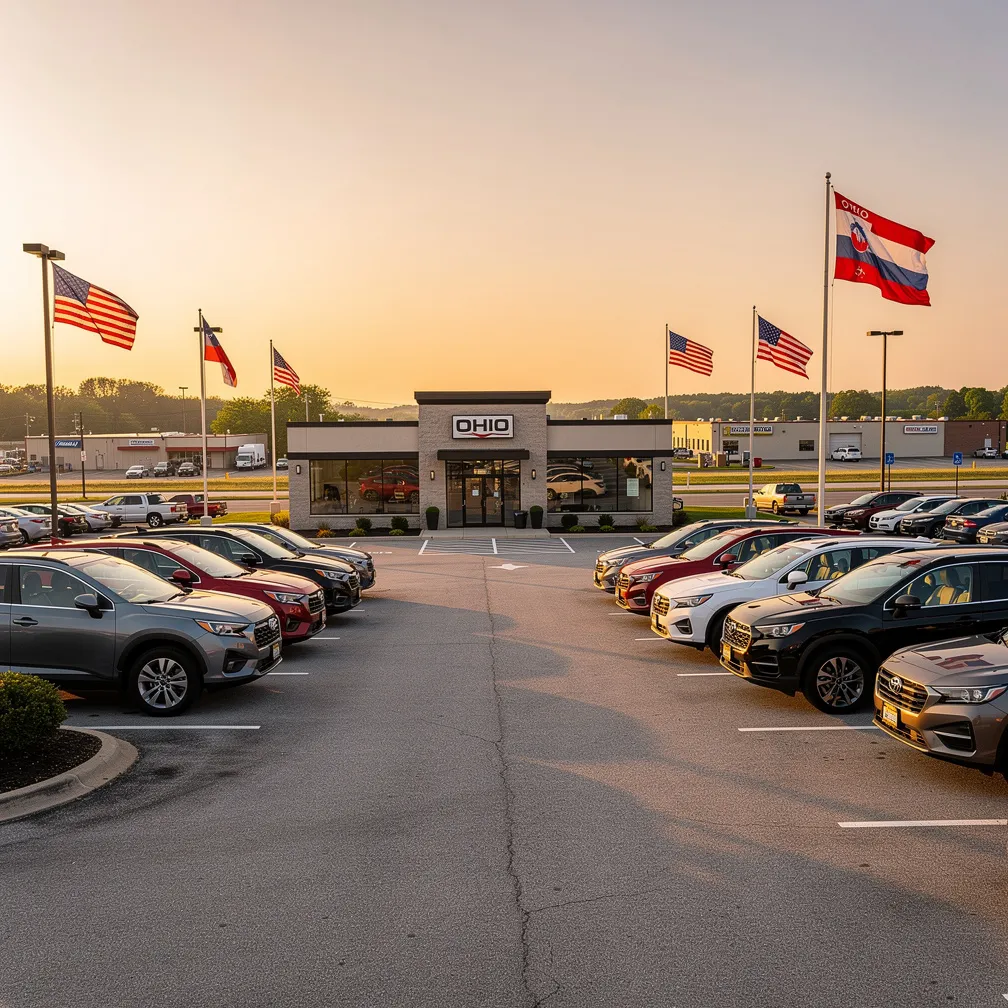
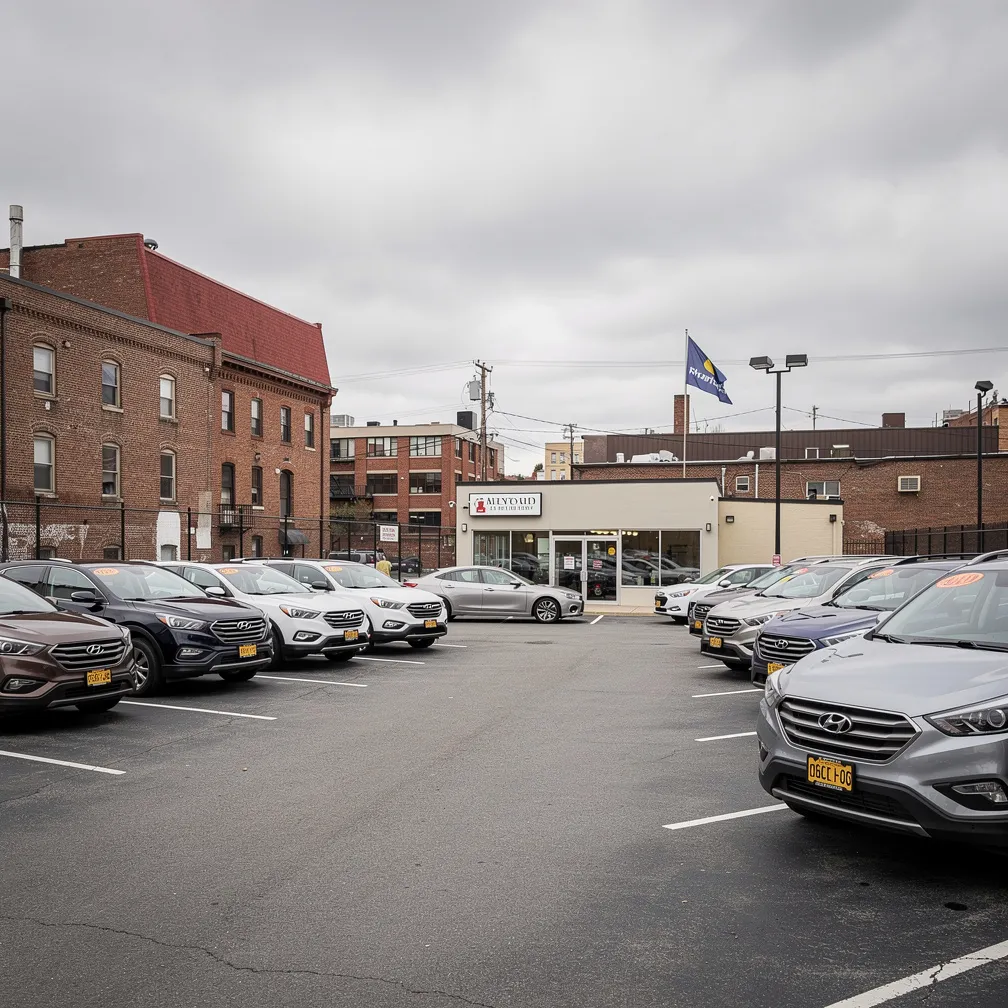
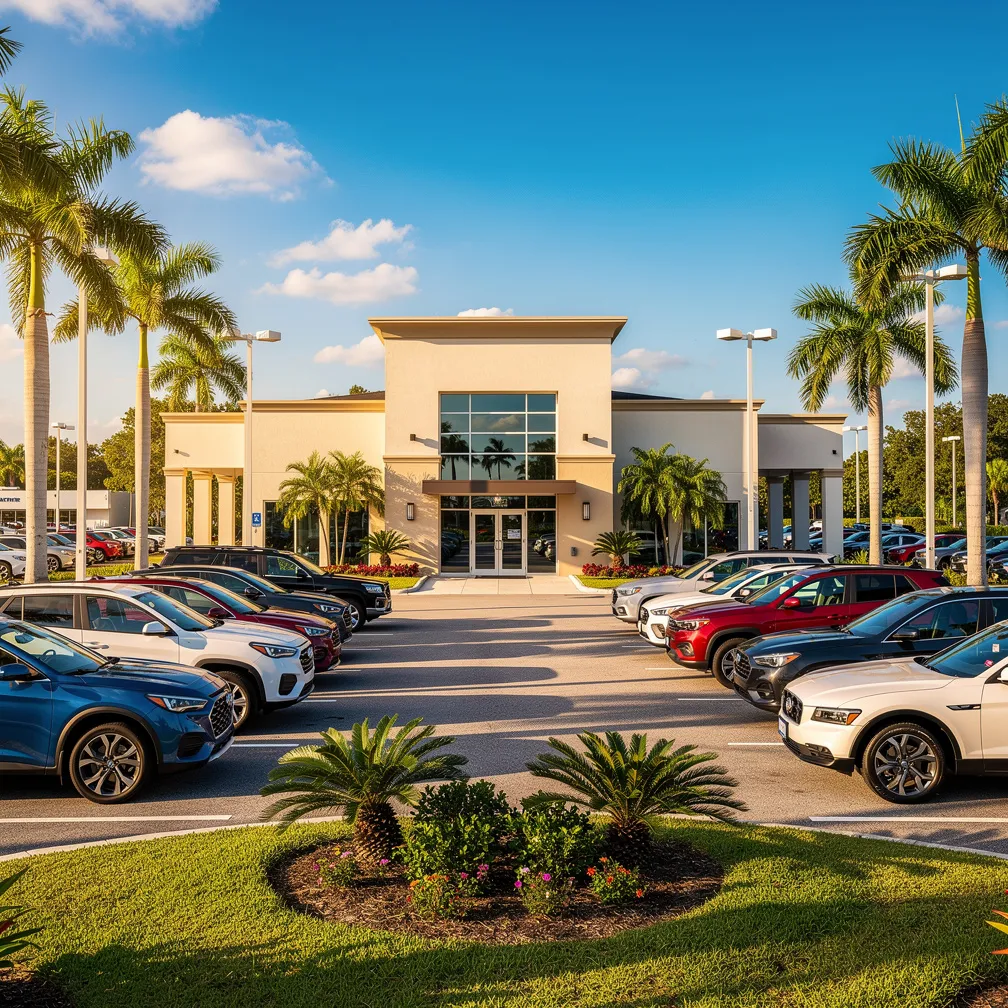
Physical Location with Proper Zoning: Nearly all states require a physical business location with appropriate commercial zoning. The property must be properly zoned for automotive sales and meet specific lot requirements.
Garage Liability Insurance: You must carry garage liability insurance, also called dealer insurance, which covers vehicles in your inventory, test drives, and general business operations. Minimum coverage requirements vary but typically start at $100,000 per occurrence.
Surety Bond: All states require dealer applicants to purchase a surety bond ranging from $10,000 to $100,000. This bond protects consumers if you engage in fraudulent practices or violate dealer regulations. The bond acts as a financial guarantee of your ethical business conduct.
State-Specific Requirements That Vary
Beyond universal requirements, states implement additional regulations that significantly impact your licensing process and operational costs.
Lot Size Minimums: Some states specify minimum lot dimensions, ranging from 500 to 2,500 square feet of paved or improved surface. States like California have more stringent space requirements than others.
Number of Display Cars Required: Certain jurisdictions mandate that you maintain a minimum inventory of vehicles on display, typically between 3 and 10 vehicles, to qualify as an active dealer.
Office Hours Requirements: Many states require dealerships to maintain regular business hours, often specifying minimum hours per week that your location must be open to the public.
Signage Specifications: States regulate dealership signage, including size requirements, placement, and required information such as your business name and license number. Signs must typically be permanent and professionally installed.
Continuing Education: Some states require licensed dealers to complete ongoing education courses to maintain their license, ranging from annual to biennial requirements.
Step-by-Step: How to Get a Used Car Dealer License
Understanding how to become a used car dealer requires following a systematic process. Here are the essential steps:
1) Research Your State’s DMV or Dealer Licensing Board: Visit your state’s motor vehicle department website to download the specific dealer license application and requirements checklist. Each state maintains different procedures and forms.
2) Form Your Business Entity and Get an EIN: Establish your business structure (LLC, Corporation, or Sole Proprietorship) with your state and obtain a federal Employer Identification Number from the IRS. Most dealers choose LLC formation for liability protection.
3) Complete Pre-License Education and Training: Enroll in and complete your state’s required dealer education course. Many states offer online options that you can complete at your own pace.
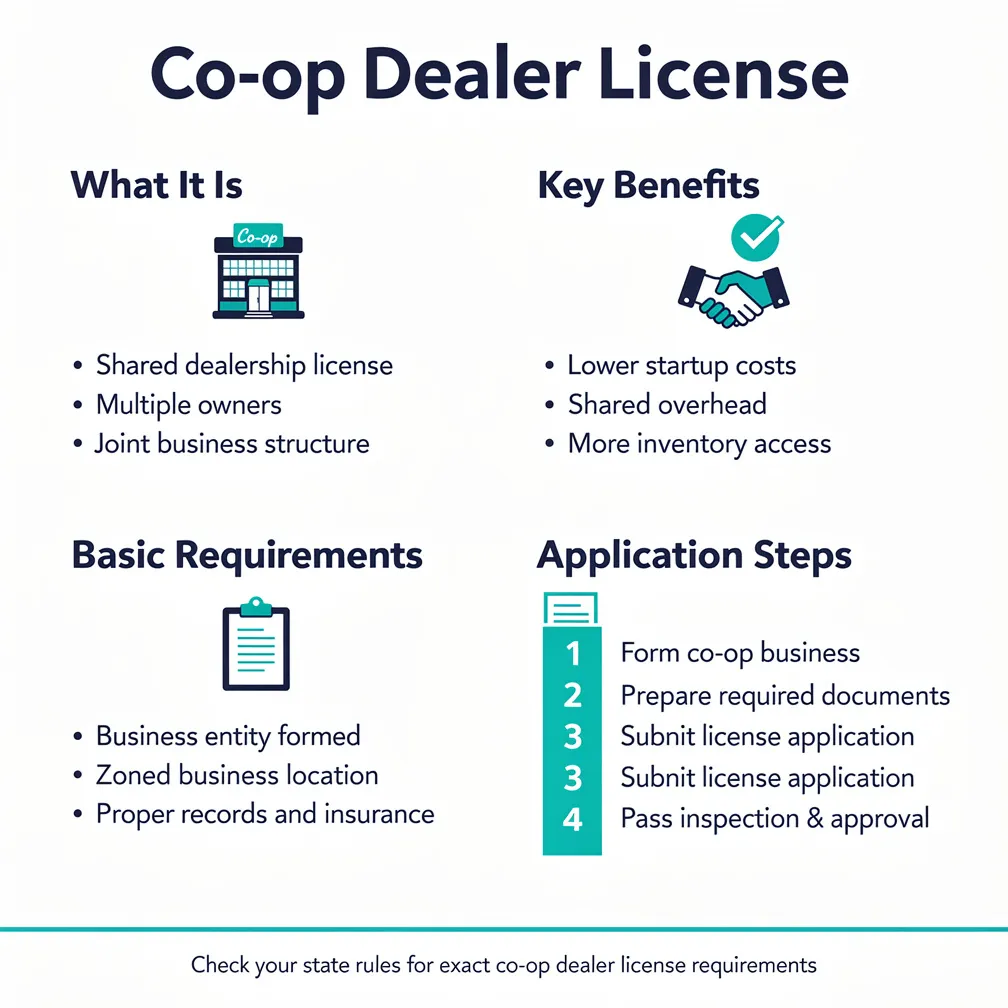
4) Secure a Physical Location or Co-Op Arrangement: Either lease a commercial property meeting all state requirements or join a dealer co-op program that provides a compliant business address and location.
5) Pass Background Check and Fingerprinting: Submit to fingerprinting and background investigation as required by your state licensing authority. This process typically takes 1-3 weeks.
6) Purchase Surety Bond: Contact a surety bond provider and purchase the required bond amount for your state. With good credit, expect to pay 1-3% of the bond amount annually.
7) Get Garage Liability Insurance: Obtain quotes from insurance providers specializing in dealer coverage and purchase a policy meeting your state’s minimum requirements.
8) Submit Application and Await Inspection: Complete your dealer license application, attach all required documentation, pay application fees, and schedule the mandatory location inspection conducted by state authorities.
Physical Location Requirements
The physical location requirement presents the most significant barrier for many aspiring dealers. States impose strict standards to ensure legitimate business operations.
Lot Specifications: Your location must include an improved surface, typically paved or graveled, with adequate space for vehicle display. Minimum size requirements vary from 500 to 2,500 square feet. The lot must be clearly defined with boundaries and adequate lighting.
Zoning Requirements: The property must be zoned for commercial automotive sales. Residential zoning is never acceptable. You’ll need to provide documentation from your local zoning authority confirming proper classification.
Signage Requirements: States require a permanent, professionally installed sign displaying your business name and often your dealer license number. The sign must be visible from the street and meet minimum size specifications.
Office Requirements: You must maintain an enclosed office space on the premises with a desk, functioning telephone with a publicly listed number, filing system for records, and secure storage for documents. Some states specify minimum office square footage.
How to Meet Location Requirements Without Leasing a Lot
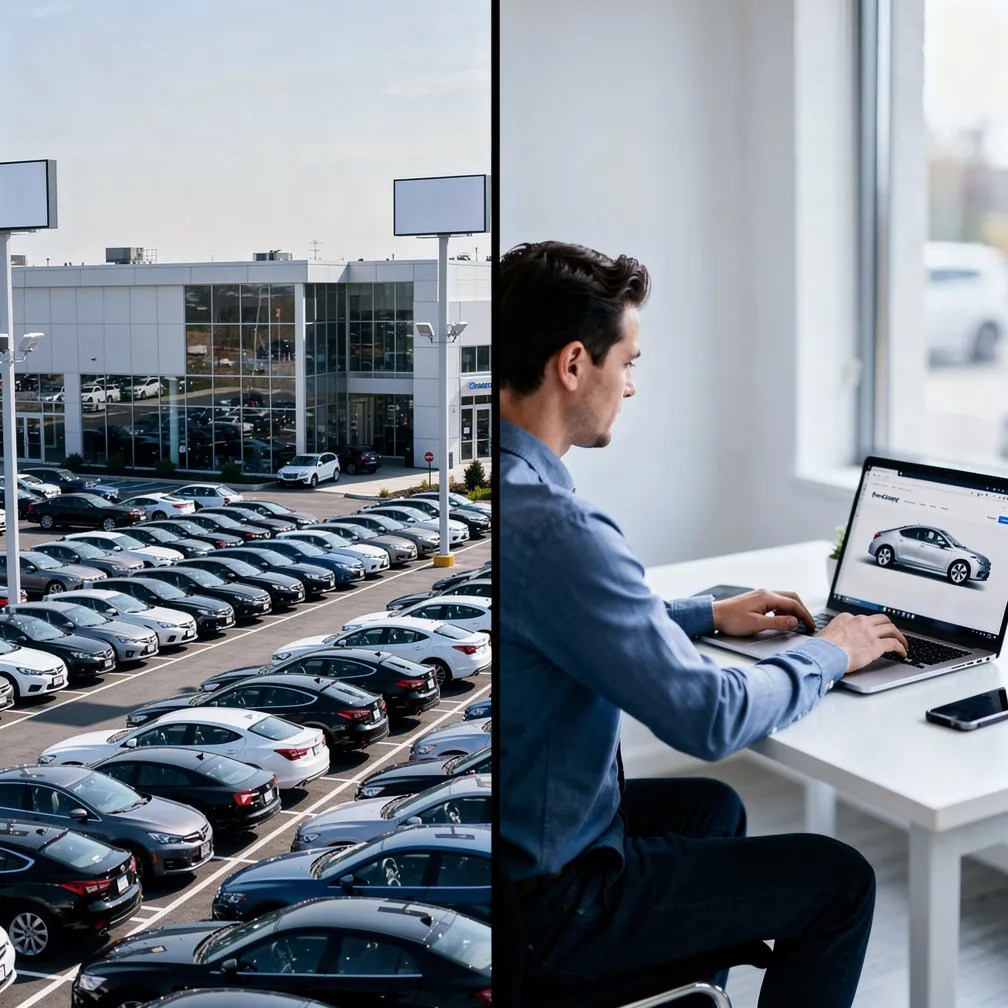
Traditional lot leases represent the largest startup expense for new dealers, often costing $5,000 to $15,000 per month depending on location. Many aspiring dealers cannot justify this overhead when starting out.
The co-op dealer license model offers a compliant alternative. Through services like My Car Dealer, you gain access to a state-compliant business address that meets all physical location requirements without the massive overhead of leasing your own lot.
This arrangement dramatically reduces startup costs while maintaining full compliance with state regulations. You receive a legitimate business address, access to office facilities as needed, and support throughout the licensing process. As detailed in our guide on why dealer licenses are expensive, this approach can save tens of thousands of dollars in your first year alone.
The co-op model is particularly valuable for dealers focusing on wholesale operations, online sales, or those just starting to build their inventory. Learn more about getting started with a co-op dealer arrangement.
Insurance and Bonding Requirements
Insurance and bonding represent ongoing costs that vary based on your state and business profile.
Garage Liability Insurance: This specialized coverage protects your business, inventory, and customers. Annual premiums typically range from $300 to $1,200 for new dealers with minimal inventory. Factors affecting cost include your location, coverage limits, and claims history.
Surety Bond: Bond amounts range from $10,000 in states like Montana to $100,000 in states like California. With good credit, you’ll pay approximately $100 to $500 annually for your bond. Poor credit increases this cost significantly, sometimes to 5-10% of the bond amount.
General Liability Insurance: Beyond garage liability, you may need general business liability insurance covering slip-and-fall incidents and other non-automotive claims.
Workers Compensation: If you employ staff, most states require workers compensation insurance. This requirement applies even if you have just one employee.
How Long Does It Take to Get a Used Car Dealer License?
The timeline for obtaining your used car dealer license varies considerably based on multiple factors.
Typical Timeline: Most applicants receive their license within 2 to 8 weeks after submitting a complete application. This assumes all documentation is correct and no issues arise during the background check.
Factors Affecting Speed: State agency backlogs can extend processing times, particularly during peak application periods. Inspection scheduling depends on examiner availability in your area. Background check processing varies based on your residential history—multiple states or countries slow the process.
State Examples:
- Texas: Typically processes applications in 2-4 weeks with efficient online systems
- California: More complex requirements often result in 4-8 week timelines
- Florida: Generally completes the process in 2-3 weeks for straightforward applications
Incomplete applications or missing documentation can add weeks or months to your timeline, making thorough preparation essential.
Frequently Asked Questions
Can I get a dealer license without a lot?
Yes, through co-op dealer arrangements that provide a compliant business address meeting all state requirements without leasing your own property. This is a legitimate, legal option available in most states.
How much does a used car dealer license cost?
Total startup costs range from $2,000 to $20,000 depending on your state and whether you lease a traditional lot. Application fees ($200-$500), bonds ($100-$500 annually), insurance ($300-$1,200 annually), and location costs represent the major expenses.
Do I need a dealer license to flip cars?
Yes, if you exceed your state’s limit for private party sales, which ranges from 3 to 12 vehicles annually. Selling beyond this threshold without a license constitutes illegal curbstoning and carries significant penalties.
What disqualifies you from getting a dealer license?
Felony convictions, particularly fraud or theft-related offenses, typically disqualify applicants. Recent DUI convictions, suspended driver’s licenses, and previous dealer license revocations also create barriers in most states.
Can I run a used car dealership from home?
No, residential properties cannot be licensed as dealerships due to zoning restrictions. Even if you operate primarily online, you must maintain a commercially-zoned business location.
How many cars can I sell without a dealer license?
This varies by state from 3 to 12 vehicles per year. Exceeding your state’s limit requires a dealer license regardless of whether you consider yourself a business.
Simplify Your Dealer License Process with My Car Dealer
Navigating used car dealer license requirements doesn’t have to be overwhelming or prohibitively expensive. My Car Dealer specializes in helping aspiring dealers overcome the location requirement barrier—the single largest obstacle preventing most people from obtaining their license.
Our co-op dealer program provides everything you need to meet state requirements while minimizing startup costs. You’ll receive a compliant business address, guidance through the application process, and ongoing support to maintain your license in good standing.
Whether you’re planning to operate a wholesale dealership, sell online, or eventually open a traditional lot, we provide the foundation you need to get licensed quickly and affordably. Ready to start your journey? Visit our Getting Started page to learn how we can help you obtain your dealer license and launch your automotive business.